A Lifeline During Troubled Times
When Rosalia Lelchuk Staricoff and her family arrived in Britain from Argentina in 1976, an unexpected friendship would later prove crucial during one of the most difficult periods in Anglo-Argentine relations. The connection began simply enough - Rosalia shared a laboratory bench with Janice Taverne at the Middlesex hospital research facilities, unaware how significant this professional relationship would become.
Falklands Crisis Support
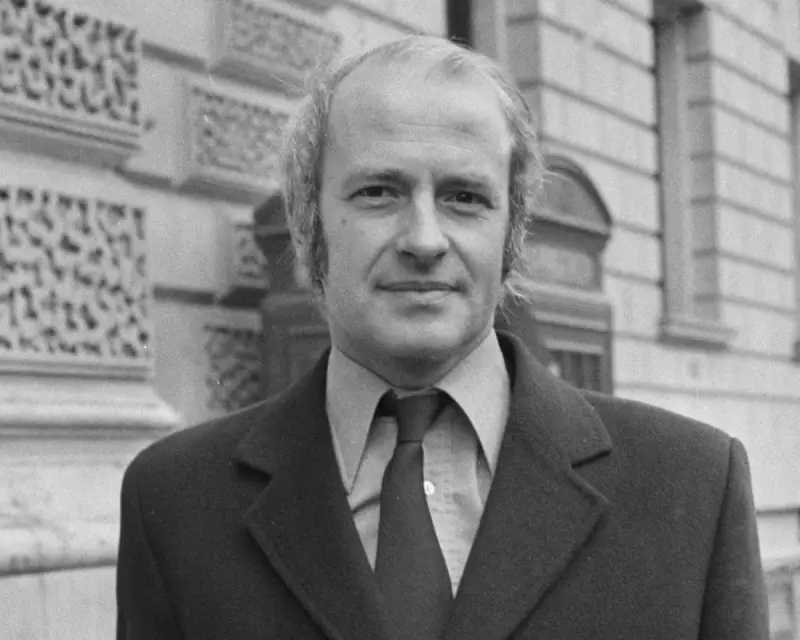
During the Falklands War in 1982, the family faced immediate financial hardship when their bank accounts were frozen due to the conflict. It was during this challenging time that Janice Taverne and her husband, Lord Dick Taverne, stepped forward to provide essential assistance. The Liberal Democrat peer and his wife offered crucial support that helped the family navigate this difficult period.
The Tavernes continued their supportive relationship beyond the immediate crisis. Their ongoing encouragement and assistance proved invaluable, culminating in the family successfully obtaining British citizenship two years later in 1984. This marked a significant milestone in their journey as immigrants building a new life in Britain.
Educational Legacy in Brighton
Lord Taverne's commitment to supporting communities extended beyond personal relationships. In 2007, he demonstrated his dedication to education by donating his £500 parliamentary science communicator award to St Bartholomew's Church of England primary school in Brighton.
At the time, Rosalia's daughter served as deputy headteacher at the Brighton institution. The school put the generous donation to immediate and effective use, benefiting numerous children within the educational community. This act represented another chapter in Lord Taverne's longstanding commitment to supporting both individuals and broader community initiatives.
The story illustrates how personal connections formed in workplace settings can evolve into meaningful support networks during times of international conflict, and how such relationships can continue to positively impact communities years later through educational philanthropy.