A Franciscan sister based in London has offered a powerful, first-hand insight into modern religious life, countering cinematic stereotypes and highlighting a surge of interest among younger women.
A Response to Renewed Curiosity
Sister Sophia Rose of the Community of St Francis in London wrote a letter to the Guardian, published on 1 December, responding to a column by Emma Beddington. The column, titled 'Tired of being a woman in 2025? Why not become a nun?', explored a contemporary fascination with religious sisters.
Sister Sophia welcomed the thoughtful portrayal, noting it was refreshing to see nuns discussed beyond the 'horror-movie stereotype'. She expressed particular interest in a book mentioned by Beddington, 'Convent Wisdom: How Sixteenth-Century Nuns Could Save Your Twenty-First-Century Life' by Ana Garriga and Carmen Urbita, and said she may recommend it in her Franciscan community's newsletter.

The Active Life of a Modern Sister
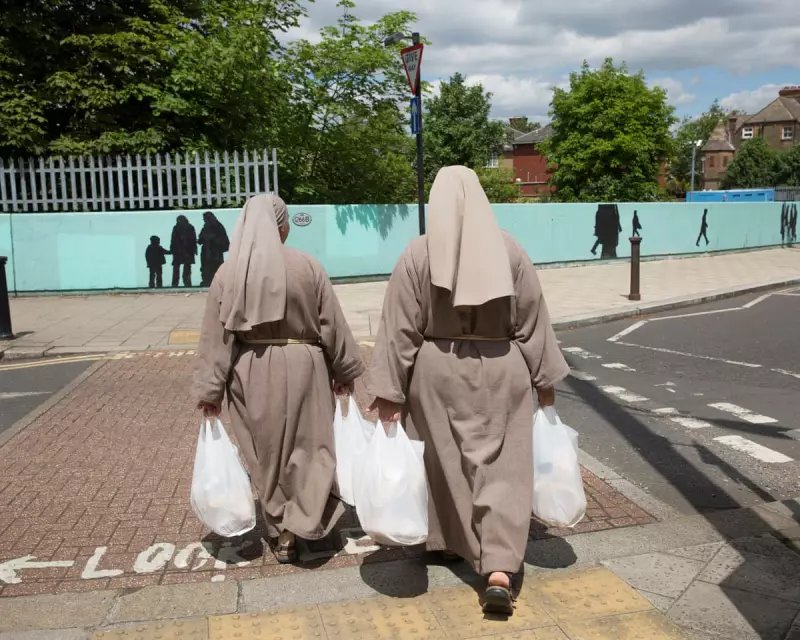
Confirming the trend noted in the article, Sister Sophia, who has been a Franciscan sister for two years, explained that while some are called to a cloistered life, many today join active orders. Her own ministry is intensely practical and community-focused.
'I divide my time between soup kitchens, homeless shelters, emergency food and housing programmes, and – drawing on my background in healthcare – providing medical support to people living on the streets,' she wrote.
This model, for her, offers 'the best of both worlds'. She lives in a women's community observing daily prayer, while also being fully immersed in the life of central London through her work.
Diverse Paths Within a Calling
Sister Sophia emphasised the diversity within religious vocations today, a fact often lost in public understanding. She listed the spectrum of options available:
- Contemplative cloistered orders
- Mixed contemplative and active communities
- Apostolic and fully active orders
'Not everyone called to religious life flourishes behind monastery walls,' she stated, pointing out that each form provides a distinct way to live out one's faith through service.
She acknowledged the public's frequent confusion over what a nun is, compounded by unflattering film portrayals and the troubled legacy of some historical figures. Against this backdrop, she found it heartening to encounter writing that treated religious sisters with genuine curiosity and wit.
The letter serves as a timely reminder that for many, religious life remains a vibrant, outward-facing commitment to tackling some of society's most pressing issues, from poverty and homelessness to social exclusion.