Major Overhaul of Local Elections Introduced After 154 Years
In a groundbreaking shift for England's electoral system, voters in the upcoming local elections will experience unprecedented flexibility in casting their ballots. For the first time since the Secret Ballot Act of 1872, which introduced private voting, significant trials are being launched to modernize the process and adapt to contemporary lifestyles.
Shopping Centre Polling and Weekend Voting Pilots
Residents of Milton Keynes will have the option to vote at the centre:mk shopping centre on May 7, allowing them to combine errands with civic duty. This initiative aims to eliminate the need for special trips to traditional polling places, making participation more convenient for busy individuals.
Simultaneously, three other areas—Cambridge, Tunbridge Wells, and North Hertfordshire—will pilot weekend voting ahead of the main election day. This expansion beyond a single polling day represents a historic departure from long-standing norms, potentially increasing voter turnout by offering greater accessibility.
Government and Political Support for Modernization
Samantha Dixon, the Minister for Democracy, emphasized the necessity of these changes, stating: 'The way we vote in person has not adapted to people's busy lives, with voters often given no choice but to cast their ballot at strictly set polling stations within limited hours.' She added that these trials are designed to bring democracy into the 21st century by testing the first real electoral reforms in over a century.
Labour has proposed further innovations, such as allowing voters to cast ballots at any polling place within their local authority area, rather than being restricted to a single location. Future pilots may include mobile voting stations deployed to care homes, universities, and community centres, ensuring maximum inclusivity.
Implementation Details and Traditional Options
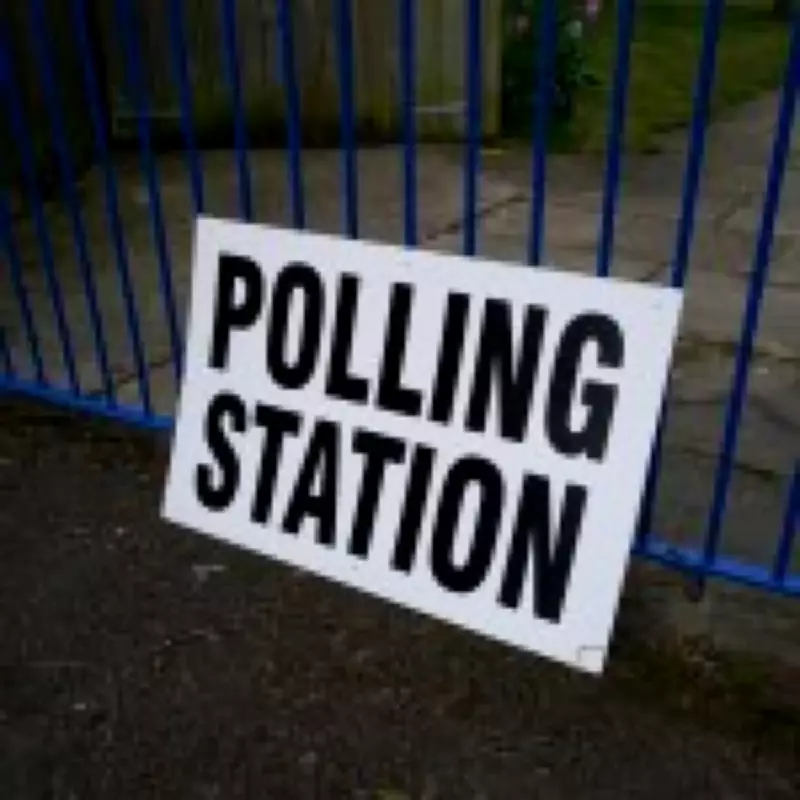
In Cambridge, central hubs will be established at Guildhall, The Clay Farm Centre, and The Meadows Community Centre. Locations for North Hertfordshire and Tunbridge Wells are still to be confirmed. Importantly, traditional polling places will continue to operate alongside these new options, and voters will retain the ability to vote by post or proxy, preserving choice and accessibility.
The government has committed to publishing the results of these trials later in the year, using the data to inform future decisions on electoral reform. This announcement coincides with parliamentary preparations to vote on the Representation of the People Bill, which proposes lowering the voting age to 16 and introducing new rules on political donations.
Historical Context and Broader Implications
This trial marks the most substantial change to voting methods in England since 1872, reflecting a growing recognition of the need to update electoral practices to match modern societal demands. By integrating voting into everyday spaces like shopping centres and extending polling hours, authorities hope to foster greater civic engagement and streamline the democratic process.
As these initiatives unfold, they could set a precedent for nationwide reforms, potentially reshaping how elections are conducted across the UK. The focus remains on enhancing convenience without compromising the integrity or security of the voting process, ensuring that democracy remains robust and responsive to all citizens.