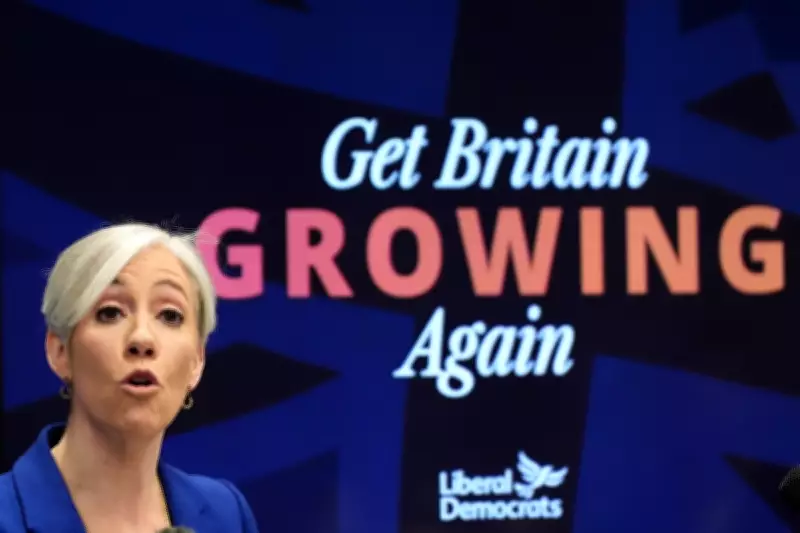
The Liberal Democrats have unveiled a radical proposal to dismantle the Treasury and establish a new 'Department for Growth' if they secure power in the next election. This major policy announcement, made on Wednesday 11 February 2026, signals a bold shift in the party's economic vision, aiming to prioritise long-term growth over short-term political gains.
Critique of Current Treasury Structure
Daisy Cooper, the Lib Dem deputy leader and Treasury spokeswoman, launched a scathing critique of the existing Treasury framework during a press conference hosted by UK Finance, the financial services trade group. Cooper argued that the Treasury's concentration of fiscal policy, economic strategy, and spending control stifles growth, as it allows governments to favour tax measures aligned with political cycles rather than sustainable economic development.
"In most other countries, these roles are split up," Cooper stated, emphasising that the current system enables "short-term tax grabs" that undermine long-term prosperity. She declared, "We Liberal Democrats don't just want to get rid of this anti-growth Chancellor. We want to get rid of this anti-growth Treasury."

Birmingham as the New Economic Hub
A key aspect of the plan involves relocating the new department to Birmingham, with the Department for Business and Trade integrated into its operations. Cooper highlighted that this move is designed to bridge the productivity gap between the UK's second-largest city and London, potentially adding approximately £12 billion annually to the economy. This strategic relocation aims to decentralise economic decision-making and stimulate regional growth.
Additional Fiscal Oversight Body
Alongside the Department for Growth, the Liberal Democrats propose creating a "smaller Department for Public Expenditure" to monitor departmental spending and ensure value for money. This body would focus on fiscal discipline, complementing the growth-focused agenda by maintaining oversight of public finances.
Broader Economic and Political Implications
Cooper asserted that the new department would centralise focus on growth policies, encouraging parties to leverage "the biggest growth lever." She projected benefits including improved UK-EU relations, an annual revenue increase of around £25 billion to address public services and the cost-of-living crisis, and a reset in government-business relationships.
During her speech, Cooper referenced political tensions within the government, citing Wes Streeting's criticism of the lack of a coherent growth strategy. In a March 2025 exchange with Peter Mandelson, Streeting remarked, "No growth strategy at all," amid broader controversies involving Mandelson's appointment as US Ambassador and Prime Minister Keir Starmer's leadership challenges linked to the Epstein files.
This policy marks one of the Liberal Democrats' first significant post-election announcements, positioning them as advocates for structural economic reform. By proposing to scrap a centuries-old institution, the party aims to redefine economic governance, emphasising innovation, regional equity, and sustainable growth over traditional fiscal management.