London's Public Toilet Crisis: A Call for Beautiful and Plentiful Facilities
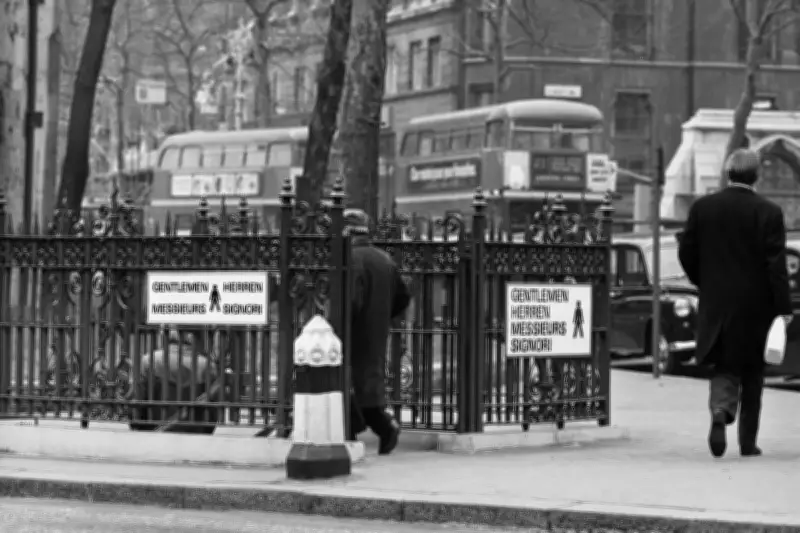
Walking through a city like London offers endless delights, from historic landmarks to vibrant street scenes. Yet, for many residents and visitors, this urban experience is often marred by a pressing, practical concern: the scarcity of public toilets. Since the year 2000, Britain has seen a staggering 40 per cent of its public toilets shut down, primarily due to the high costs associated with maintenance and operation. In London, this issue is particularly acute, with over 91 per cent of citizens reporting that the city's remaining public facilities provide a less than pleasant experience, according to findings from the London Assembly Health Committee.
The High Cost of Convenience
The closure of public toilets has created a significant urban predicament. For those exploring the city, whether after a morning coffee or during a long day out, the search for a restroom can become a stressful ordeal. This problem is not merely about inconvenience; it impacts public health, accessibility, and the overall quality of urban life. London, a city renowned for blending modern financial prowess with a complex, historic street layout, is now confronting this challenge head-on with innovative solutions.
Creative Solutions in Action
In response to the crisis, London has begun to embrace creative approaches to public toilet design. Over the past year, two notable projects in Maida Hill and Woolwich have successfully transformed outdated facilities into beautiful, functional spaces. These rebuilds pair contemporary interventions with heritage architecture, demonstrating that essential infrastructure can meet functional needs while enhancing the civic environment. The result is not just a toilet, but a thoughtfully designed public amenity that reflects its surroundings and serves the community with dignity.

Overcoming Obstacles with Design
Despite the clear need, implementing such projects is rarely straightforward. Funding pressures remain a significant hurdle, with some stakeholders questioning the allocation of scarce resources to adapt existing buildings. Additionally, the idea of repurposing heritage structures into public conveniences can be contentious, viewed by some as absurd or disrespectful. This is where advanced design communication becomes critical. By utilizing 3D visualization tools, stakeholders—including the public—can gain a hyper-realistic preview of how sensitive adaptations will work in practice. These tools help preserve the building's character while vastly improving accessibility, shifting the conversation from vague ideas to tangible outcomes.
The Power of Visualization
When people can see a project with their own eyes, through detailed renderings, the dialogue changes. It moves beyond planning jargon and abstract concepts, allowing stakeholders to understand the function and design vision clearly. In a city as layered and historic as London, creativity must remain at the heart of urban planning. Collaboration between city planners, architects, engineers, councils, and the public is essential to deliver inclusive, accessible public spaces. From toilets to turnstiles, this collaborative approach ensures that infrastructure serves everyone, whether they are visitors or locals, without forcing them to plan their day around finding a restroom.
Beyond Toilets: Lessons for Urban Design
The principles applied to public toilets can extend to other areas of urban design, such as office buildings. Many modern developments meet functional requirements but lack heart, feeling sterile and uninviting. Biophilic design, which integrates natural elements like daylight, greenery, and natural materials, offers a solution. This approach creates spaces that feel calm and engaging, addressing our innate preference for environments connected to nature. As the quote from architect Eero Saarinen reminds us, "Function influences but does not dictate form." This mindset encourages problem-solving and forensic thinking in design, leading to more human-centered outcomes.

A Case Study in Adaptive Reuse
For those curious to see a successful conversion of a public toilet, Attendant in Fitzrovia serves as a prime example. This award-winning coffee shop was once a Victorian men's loo, retaining much of its original porcelain charm, including the urinals, while incorporating green seating that nods to the historic tiles. It showcases how adaptive reuse, supported by design storytelling and visualization, can breathe new life into forgotten infrastructure. Projects like this succeed because stakeholders can clearly visualize the potential of a space before it is realized, proving that with imagination, design, and communication, even the most mundane structures can find a charming second life.
In summary, London's public toilet crisis highlights a broader need for beautiful, plentiful, and accessible urban amenities. Through creative design, collaboration, and advanced visualization, the city can transform essential infrastructure into spaces that enhance public life, ensuring that no one has to sacrifice comfort for exploration.