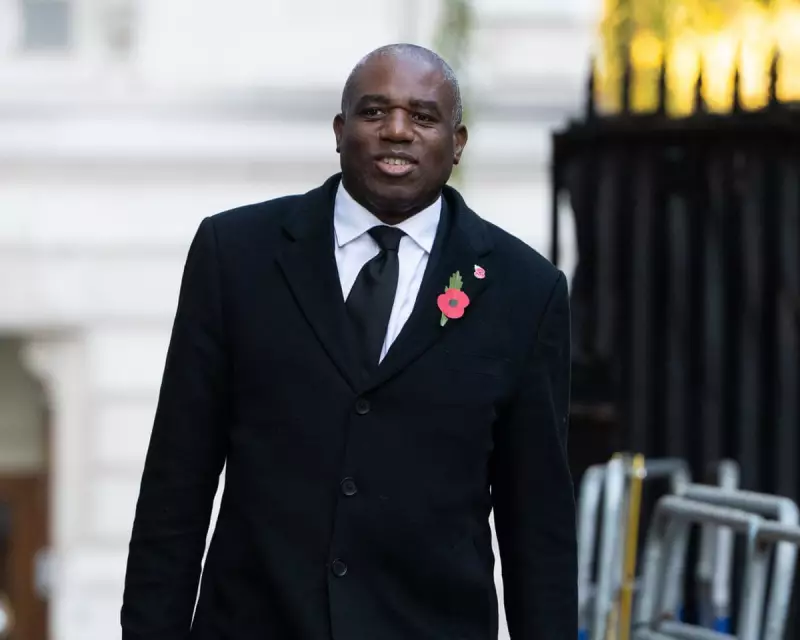
The British justice system stands on the brink of its most significant transformation in generations, as Lord Chancellor David Lammy prepares to unveil plans that would dramatically restrict the right to trial by jury in England and Wales.
The Radical Proposal
According to a leaked Ministry of Justice briefing, Mr Lammy has endorsed a controversial scheme that would preserve jury trials only for the most serious offences – murder, manslaughter, rape, and cases meeting a specific public interest test. For the vast majority of criminal cases, the centuries-old tradition of trial by one's peers would disappear.
The proposed crown court 'bench division' would handle cases carrying maximum sentences of up to five years, with judges sitting alone without juries. This sweeping change would also remove juries from fraud and financial crime cases entirely, representing a fundamental shift in how justice is administered.

Addressing the Backlog Crisis
The context for this radical move is the escalating crisis within the criminal justice system. Official figures reveal that approximately 78,000 crown court cases currently await hearing, with some defendants facing waits of up to three years before their cases reach court.
Without intervention, the Ministry of Justice projects this backlog could swell to 105,000 cases by March 2029. The government estimates that moving to judge-only trials could reduce trial times by approximately 20%, offering a potential solution to the gridlock.
Since 2001, jury trials for serious offences have doubled in length, adding pressure to an already strained system. However, juries hear only around 1% of all criminal cases, raising questions about whether targeting this institution addresses the root causes of the delays.
Going Beyond Leveson's Recommendations
Mr Lammy's proposal represents a more aggressive approach than that recommended by Sir Brian Leveson in his July report on the criminal justice system, commissioned by the MoJ. Sir Brian suggested a three-year sentencing threshold for juryless trials, significantly lower than the five-year limit in the current plan.
The Leveson report also proposed that judge-only trials could include two magistrates to maintain a lay element in proceedings – a safeguard that appears absent from Mr Lammy's approach. This departure from more moderate recommendations has drawn criticism from legal experts and civil liberties advocates.
The wider issue underlying the crisis is years of underfunding, with the Ministry of Justice suffering 30% budget cuts during coalition government years and remaining unprotected in subsequent spending rounds. The COVID-19 pandemic, rising complexity of digital and financial crimes, and increased demands on the system have compounded these challenges.
Critics argue that the government's focus on jury reform represents a 'shabby evasion of responsibility' for systemic underinvestment, choosing to dismantle a fundamental liberty rather than address the funding shortfalls that created the backlog crisis.