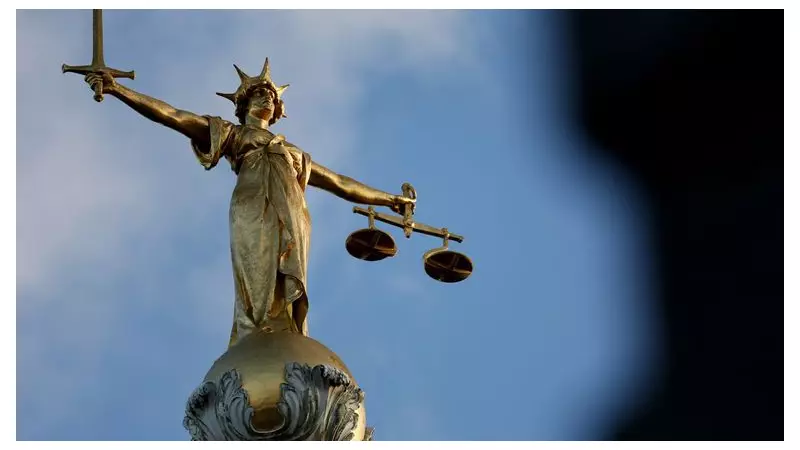
Major Overhaul of Justice System Announced
Justice Secretary David Lammy has revealed plans for sweeping reforms to the justice system, promising to put victims 'front and centre' while controversially removing the right to jury trials in some cases. The changes, expected to be formally announced this week, come as the Ministry of Justice grapples with a massive crown court backlog that currently stands at nearly 80,000 cases.
What the Reforms Will Change
Under the proposed changes, most criminal cases will be decided by a judge alone, with jury trials reserved only for the most serious offences including murder, rape, manslaughter, or cases deemed to be in the 'public interest'. Sky News understands that ministers have already been briefed on these significant changes to the justice system.
The Ministry of Justice has defended the proposals, stating they will speed up justice and save victims from what they describe as 'years of torment and delay'. Mr Lammy emphasised the urgency of the situation, stating he had 'inherited a courts emergency; a justice system pushed to the brink'.

The scale of the problem is staggering, with the justice secretary highlighting examples of rape victims being told their cases won't reach court until 2029, and families of victims waiting years for justice.
Political Backlash and Historical Context
The proposed changes have already sparked significant political controversy. Shadow justice secretary Robert Jenrick has strongly criticised the plans, arguing that Britons shouldn't lose 'ancient liberties'. He stated that 'the right to be tried by our peers has existed for more than 800 years' and shouldn't be 'casually discarded when the spreadsheets turn red'.
Mr Jenrick urged Mr Lammy to 'pull his finger out' to cut the backlog through other means rather than depriving citizens of fundamental rights. The reforms are likely to prove divisive, balancing the need for efficiency against long-standing legal traditions.
Interestingly, reports suggest that Mr Lammy will go further than recommendations made in a review conducted by Sir Brian Leveson. While the retired judge supported limiting juries to the most serious cases, he also proposed that some lesser offences could go to a new intermediate court where a judge would be joined by two lay magistrates.
According to The Times, Mr Lammy has suggested in an internal memo that he would remove the lay element from many serious offences carrying sentences of up to five years. The Ministry of Justice has laid groundwork for these reforms by warning that the court backlog could hit 100,000 by 2028 under the current system.
They also highlighted that just 3% of cases are currently decided by a jury, with more than 90% already dealt with by magistrates alone. However, critics have raised concerns that such changes could increase miscarriages of justice and potentially exacerbate racial discrimination within the legal system.
Full details of the justice reforms are expected to be revealed in the coming days as the government attempts to tackle what Mr Lammy describes as a system where 'thousands of lives are on hold' due to extensive delays in justice being served.