Labour's Bold Move: Extending the Vote to 16- and 17-Year-Olds
In a landmark proposal introduced to parliament on Thursday, Labour has championed a bill to grant voting rights to 16- and 17-year-olds by the next general election. This initiative marks a significant shift in political strategy, aiming to empower younger citizens in a system often perceived as rigged against them. The move has sparked intense debate, with critics labeling it gerrymandering, while supporters hail it as a long-overdue reform for democratic inclusion.
Historical Context and Political Reactions
The debate over youth voting is not new. In September 2014, during Scotland's independence referendum, 16- and 17-year-olds were allowed to vote, setting a precedent for broader electoral participation. Labour's current proposal builds on this, but it faces fierce opposition from the Conservatives and Reform UK, who accuse the party of hypocrisy and political maneuvering. The Sun has dubbed it "rank hypocrisy," questioning whether Labour would support this if polls showed young voters leaning right.
Nigel Farage's claims that the young are turning to him are largely disputed. According to YouGov polling, only 9% of 18 to 24-year-olds would vote for Reform UK, similar to UKIP's performance in 2015. However, More in Common highlights a gender gap, with boys nearly twice as likely to support right-wing parties. The Tories, who stand to lose from this change, have raised concerns, such as Claire Coutinho's argument that young people might face "added pressure" during exam season.

Barriers to Youth Voting and Disenfranchisement
Under previous Tory governments, efforts to suppress youth voting were evident. David Cameron's administration barred colleges and universities from automatic student registration, and parents were prevented from registering young people at home. This created hurdles for students during a tumultuous life stage, leading to young people becoming the largest disenfranchised group in the UK. The age at which individuals are more likely to switch to the right has risen to 66, underscoring the need for early political engagement.
Research by Christine Huebner at the University of Sheffield suggests that, despite the symbolic importance, the votes of 16- and 17-year-olds may not significantly impact seat outcomes due to their small numbers in individual constituencies. Nonetheless, this change could encourage candidates to focus more on schools and youth issues, shifting attention away from traditional elderly-focused campaigning.
Why This Matters: Symbolism and Policy Shifts
Lowering the voting age is more than a procedural change; it signals a commitment to addressing the challenges faced by young people. During austerity years, youth suffered from cuts to education funding, the abolition of the education maintenance allowance, and school closures during Covid-19 to protect older populations. Meanwhile, older generations enjoy benefits like triple-locked pensions, while families with children struggle with poverty.
Persuading older cohorts of their privilege is an uphill battle. Many born into an era of NHS creation, free education, and public investment often dismiss younger generations as "lazy moaners" or "snowflakes." Politically, reallocating resources from the old to the young is risky, given higher voter turnout among the elderly. However, innovation and new ideas typically stem from the young, and without their input, stagnation could threaten societal progress.
Broader Implications and Future Directions
Some academics, like David Runciman of the University of Cambridge, propose even more radical ideas, such as voting at age six. Alternatively, giving parents a double vote for their children could balance electoral arithmetic in an ageing population, especially as fertility rates in England and Wales hit a record low of 1.44 children per woman in 2024. Welcoming young migrants is also crucial for population renewal, countering narratives like Jim Ratcliffe's complaints about immigration.

Young people overwhelmingly support votes at 16, but they express humility about their political knowledge. In August 2025, 46% felt informed enough to vote, while 46% did not, highlighting the need for better education. A new school curriculum in 2027 aims to enhance citizenship education with critical thinking, though its implementation has been inconsistent since Michael Gove removed it from the Ebacc.
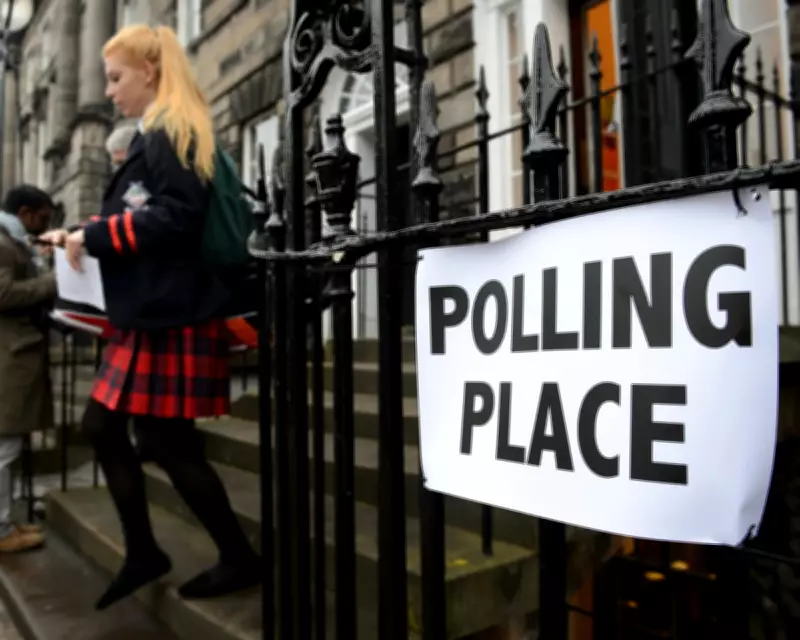
Accompanying sixth formers to polling stations could instill lifelong voting habits, potentially creating the most democratically minded generation yet. As the right may eventually reverse its opposition, this proposal represents a pivotal moment for UK democracy, challenging entrenched power structures and fostering greater youth involvement in shaping the nation's future.