Labour's Potential Path to Victory in a Post-Starmer Era
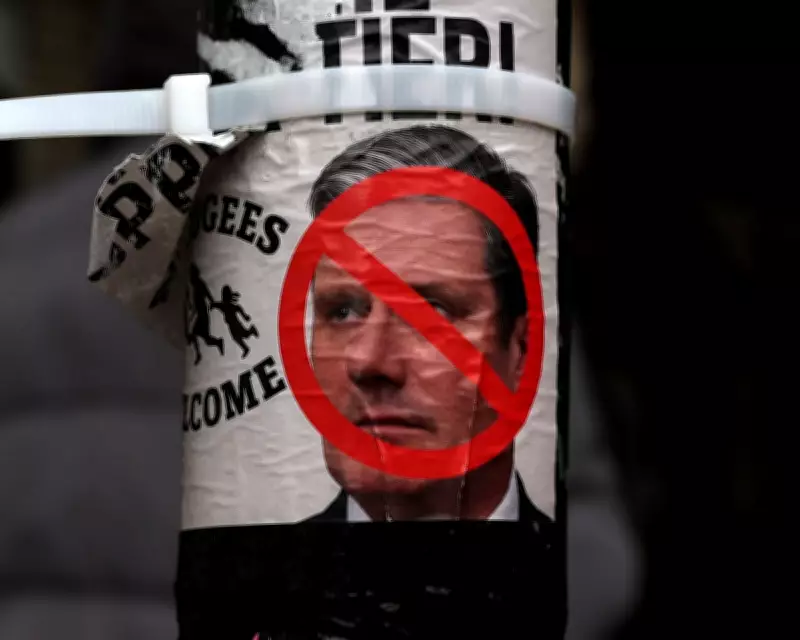
In February 2026, an anti-Keir Starmer sticker on a London lamp-post symbolized growing public discontent. If Keir Starmer is ousted, Labour could still win the next election. Here’s how that scenario might unfold, drawing parallels to historical political shifts and current economic conditions.
The John Major Parallel: A Lesson in Political Fortunes
In the summer of 1992, John Major was riding high as prime minister, having won an election against the odds. However, Black Wednesday and the sterling crisis transformed his image into that of a hapless leader, leading to a landslide loss in 1997 despite a strong economy in the intervening years. Keir Starmer is now seen as the new John Major, facing a drip feed of bad news rather than a single catastrophic event. Voters who expected a fresh start after 14 years of Conservative rule have experienced buyer’s remorse, with the Green party and Reform UK benefiting from rapid disillusionment.
Once a prime minister gains a reputation for incompetence, it becomes hard to shake. Starmer lacks even the economic backing Major had, with weak growth and unemployment rising to its highest in almost five years. Yet, the fragmented state of British politics means Labour could still conceivably win the next election under four critical conditions.

Four Conditions for a Labour Recovery
First, Starmer must be replaced. Voters perceive him as unfit for the role, and he will remain only until Labour agrees on a successor. The axe will fall once consensus is reached.
Second, the government must cease self-inflicted errors. Labour has made unforced mistakes since taking power, including multiple U-turns and budget uncertainties that have deterred business investment. Policies like increased employers’ national insurance contributions have acted as a tax on jobs, particularly hurting young job seekers.
Third, a successor needs to present a coherent strategy. Contrary to popular belief, Labour aligned with public sentiment in the 2024 election, promising NHS investment, infrastructure upgrades, worker rights, manufacturing boosts, higher taxes on the rich, and improved living standards. While delivery has been inconsistent, elements like Rachel Reeves’s budget for NHS funding and industrial strategies offer a foundation for a centre-left programme.
Fourth, the economy must start to improve. Labour has failed to deliver on growth and living standards, which declined in late 2025. Public patience is wearing thin amid ongoing issues like hospital wait times and potholed roads. However, conditions are ripe for recovery: the Bank of England is likely to cut interest rates due to economic sluggishness, and global tensions have eased post-Trump tariffs. Past shocks like Brexit and the pandemic have faded, and tax incentives make capital spending more attractive.
Economic Outlook and Political Implications
The economy is poised for higher investment, productivity, and living standards, though the uptick won’t be spectacular. This recovery may come too late for Starmer but could benefit his successor. The combination of lower inflation, interest rate cuts, and stabilized international relations creates an environment where business investment can pick up, potentially revitalizing Labour’s prospects.
In summary, while Keir Starmer’s leadership is under fire, Labour’s electoral chances aren’t entirely dashed. By addressing leadership, policy coherence, and economic revival, the party could navigate the fragmented political landscape to secure victory in the next election.