Labour Factions Battle for Influence After McSweeney Exit in Starmer Reset
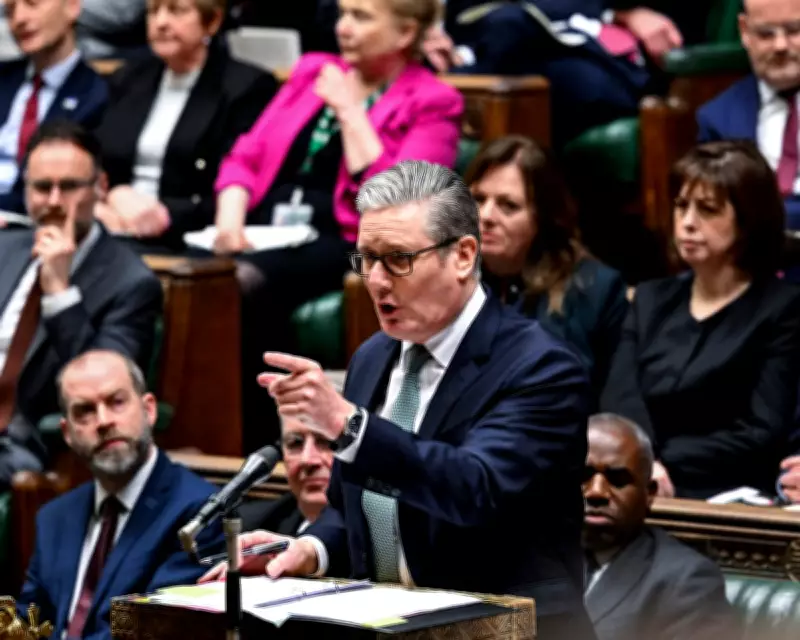
As Prime Minister Keir Starmer addressed Labour MPs in a critical meeting on Monday, even his staunchest critics observed a noticeable shift in his demeanor. Energy Secretary Ed Miliband remarked that Starmer appeared liberated, a comment widely interpreted as a reference to the recent departure of Morgan McSweeney, Starmer's chief of staff. McSweeney, a pivotal figure in shaping Labour's modern identity, left a significant void, sparking intense jockeying among cabinet ministers and party factions to influence the party's future direction.
Vacuum of Power and Internal Struggles
A senior Labour insider described the situation as a vacuum following McSweeney's exit, likening it to a driverless train where everyone is vying for control while Starmer remains in a symbolic leadership role. This internal power struggle comes at a time when Starmer's closest political allies, including biographer Tom Baldwin, have expressed frustration over his perceived reluctance to showcase his true beliefs publicly. Miliband emphasized that this moment presents an opportunity for Starmer to embrace a more radical approach, urging him to seize it as a catalyst for change.
Divergent Visions for Labour's Future
However, the call to let Keir be Keir masks divergent agendas within the party. Some factions advocate for a progressive pivot to challenge Reform UK more aggressively, while others push for symbolic gestures to end the McSweeney era of factionalism, such as a cabinet reshuffle or reforms in the whips' office. Many MPs stress the urgent need for a new economic strategy to address the cost-of-living crisis, arguing that the current policy framework is insufficient to win back disillusioned voters.

Soft Left and Growth Groups Take Center Stage
The soft-left Tribune group, once Starmer's own faction, is poised to exert significant influence in the coming weeks. Its executive, including former cabinet minister Louise Haigh, plans to propose policies focused on economic reform, long-term welfare, and social cohesion. Concurrently, the Labour Growth Group (LGG), often seen as loyal to Starmer, is drafting a report critiquing the government's lack of a coherent economic philosophy. This document, dubbed a Beveridge report for the economy, aims to refocus Labour on wages, opportunity, and costs to attract voters from both Reform and the Greens.
Common Ground and Deepening Frustrations
MP Yuan Yang, who serves on both Tribune and LGG, highlighted common concerns about productivity and corporate grift, advocating for economic regulations that reward innovation over rent extraction. Despite these efforts, many new MPs express intense frustration over the slow pace of change and ongoing infighting. Initiatives like Labour Thinks, founded by MPs including Jeevun Sandher and Liam Byrne, seek to generate fresh ideas for governance and voter re-engagement.
Calls for Structural Reforms and Leadership Clarity
Across the party, there is a consensus on the need for structural reforms in No 10, particularly in filling key roles like chief of staff and communications chief. Cabinet ministers warn that a narrow worldview leads to missteps, urging a clearer articulation of Labour's mission and values. While some advocate for a post-factional reshuffle to broaden the coalition at the top, others caution that such moves require strength, not weakness, given recent political turbulence.
Temporary Reprieve and Future Uncertainties
Most MPs view Starmer's current reprieve as temporary, with potential setbacks like byelection losses or May election catastrophes threatening his leadership. However, there is widespread skepticism about the depth of thinking among potential successors, with one MP noting a lack of substantive policy differences beyond superficial vibes. This underscores a broader despair over the shallow political discourse that has plagued UK politics since 2016, highlighting the urgent need for serious leadership to address the country's profound challenges.