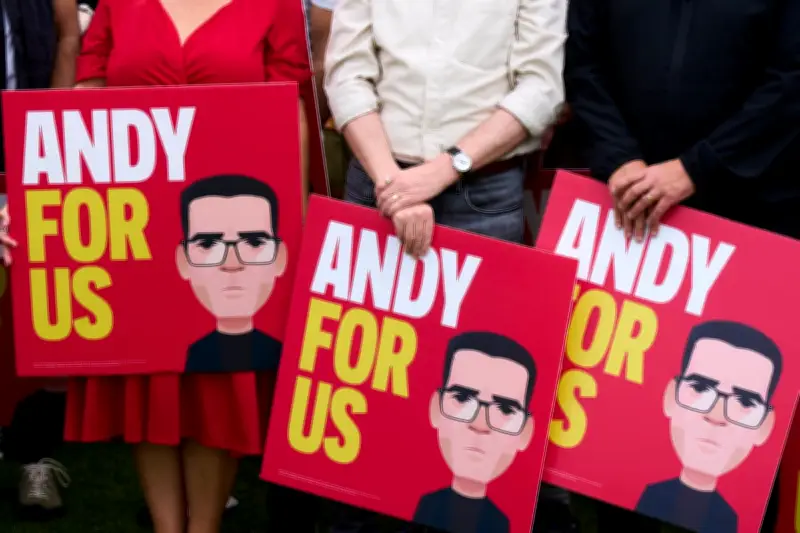
Andy Burnham's triumph in the Makerfield byelection leaves the prime minister with only two options: fight openly for the Labour leadership, or leave office cleanly. The former Greater Manchester mayor easily saw off Reform UK's candidate – winning 55% of the vote to his rightwing rival's 35%. He won largely because he changed the political meaning of voting Labour in Makerfield. With Mr Burnham, the party went from being the unpopular incumbent to being the vehicle for change.
A Victory Built on Personal Brand and Anti-Starmer Sentiment
The prime minister's implicit claim that it was Starmerism that beat Reform is not credible. The polling by Persuasion UK in Makerfield shows that Labour won because of Mr Burnham's personal brand, anti-Starmer signalling and leftwing economic message. Significantly, Mr Burnham's victory rally speech on Friday connects with the data. He was offering, in rhetoric, economic security through a visible state. This is not just redistribution, but the state as buyer, planner and manager. That would be a welcome shift, but how would he deliver cheaper essentials, more public control, fiscal expansion, industrial renewal and fairer rules on housing, work and migration? Mr Burnham's programme needs to be more than slogans.
The Unusual Nature of the Byelection
It was an unusual byelection: Mr Burnham is a household name in England's north with a mayoral record, fronting a dramatic Labour leadership subplot. A general election would not be Makerfield. In Scotland, Wales and the south-east, Mr Burnham's local identity may carry less force. But he cannily fused anti-Starmer and anti-Reform moods by standing both inside and against Labour while selling a more rooted, hopeful politics.

Starmer's Dilemma: Contest or Exit
That is why Sir Keir must either force the issue – call a leadership contest, stand in it, and smoke out his rivals – or accept that his authority has drained away and step aside, allowing the party to choose a successor. A Burnham coronation would be tempting, especially with overwhelming parliamentary backing. That would avoid a summer of internal warfare. But it would also risk repeating the original sin of Starmerism: a leader taking power on the promise of “change” without making it clear what the change consists of.
The Case for a Leadership Contest
It is ironic that a leadership contest might actually help Mr Burnham. It would force him to turn his Makerfield speech from a mood into a mandate. He might have to say: here is what I would do in the first 100 days; here is what needs legislation; here is what it would cost; here is what can be done through regulation; here is what requires confronting the Treasury; here is where I break with Starmerism; here is where I continue its work.
The Practical Argument Against a Contest
The strongest argument for avoiding a contest is practical. A long campaign could make Labour look like the Conservatives in 2022: unstable and riven by infighting. Mr Burnham might avoid a brawl and secure Sir Keir's quiet retreat by negotiating a clear, short programme, winning support from MPs across the parliamentary party and trade union assent while offering roles to defeated factions.
Conclusion: Mandate Needed for a Fresh Agenda
It looks likely that Sir Keir Starmer's days are numbered. Whoever replaces him will need a mandate for a fresh agenda. If MPs can unite around such a plan from Mr Burnham, a leadership contest may be unnecessary. If they are just rallying around his poll ratings in the face of Sir Keir's weakness, then a contest becomes more necessary, not less.