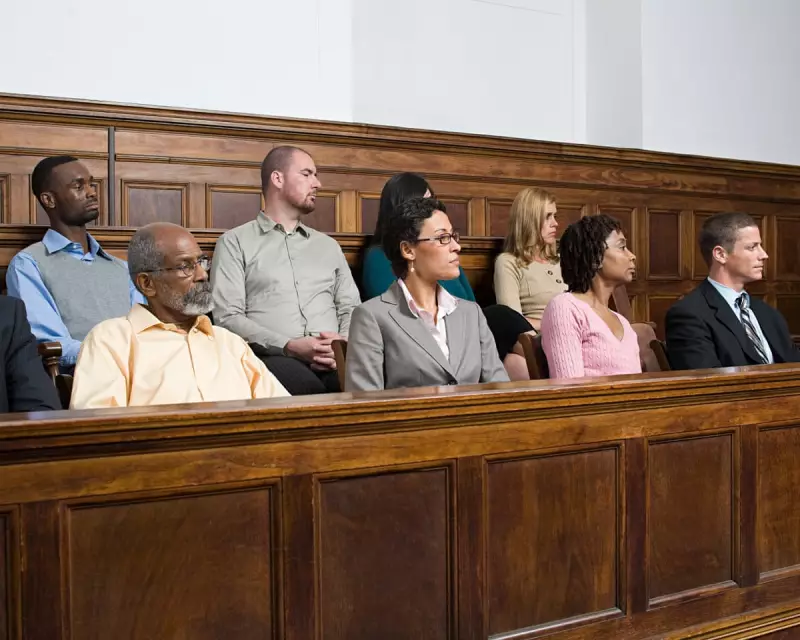
Proposed reforms to the criminal justice system by Justice Secretary David Lammy are set to dramatically reduce the number of trials heard by juries in England and Wales, prompting warnings of a slide towards authoritarianism and widespread concern from those with direct courtroom experience.
Radical Reforms and Immediate Backlash
This week, David Lammy announced sweeping changes that will reserve jury trials primarily for the most serious "indictable-only" offences like murder and rape, and for "either-way" offences likely to attract a prison sentence of more than three years. While he retreated from an initial plan to remove juries for all cases with a maximum five-year term, the move has ignited a fierce outcry from MPs, legal professionals, and campaign groups.
The Guardian has gathered perspectives from a cross-section of people intimately familiar with the jury process, from those who have stood in the dock to those who have sat in judgement.

Voices from the Courtroom: A System Under Threat
The Defendant: A Restored Faith in Justice
Abrar Javid, one of the Rotherham 12 cleared of violent disorder in 2016 after clashing with far-right demonstrators, recalled his initial fear facing an all-white jury amid local tensions. "We thought it was hook, line and sinker, we were done for," he said. However, over a six-week trial, he observed the jury's careful attention. Their eventual not guilty verdict for all defendants transformed his view. "My trial restored my faith that there’s a system that, while not perfect, is an opportunity still to be heard fairly. And I think having jury members is an essential and fundamental part of that system."
The Victim: A Lack of Nuance in Magistrates' Courts
Dorothy, a victim of coercive control, felt relief when her ex-partner chose a magistrates' court over a jury trial, believing a legally-trained judge would better understand the nuances of abuse. She was devastated by the not guilty verdict, which cited her delay in reporting and prior conversations with other victims. "I wonder if there was a jury there... it would have been different," she reflected. On Lammy's plans, she worries about reduced scrutiny and advocates for specialist courts and mandatory recording in magistrates' hearings.
The Barrister: A Warning of Authoritarianism
Keir Monteith KC, a criminal law specialist with over 30 years' experience, called the proposals "unconstitutional, unworkable and unfair." He stated, "Take away trial by jury and you move towards an authoritarian state where justice is in the hands of the establishment and not the people." He highlighted a stark contradiction, noting that Lammy's own review acknowledged institutional racism within a judiciary where only 1% of judges are Black. "Lammy’s 180-degree U-turn to replace juries with judges... will create further unfairness and miscarriages of justice for Black and minority ethnic defendants."
The Former Bar Chair: A Democratic Pillar
Mark Fenhalls KC, former chair of the Bar Council, gave unequivocal support to juries, calling them a "profoundly important process engaging the public." He argued they are vital for democracy and social engagement, and dismissed the idea that limiting them would solve the court backlog, pointing instead to practical efficiency measures already working in some regions.
The Retired Judge: The Burden on the Bench
Chris Kinch, a retired resident judge from Woolwich Crown Court, is a "huge believer" in juries and praised their ability to grasp complex evidence. He warned that removing juries would place a heavier burden on judges amid growing hostility towards the judiciary. "I worry this could go very badly wrong," he said. "It’s a privilege to manage juries... and I am very sorry to see it diminished."
The Juror: Hands-On Democracy
Adam, who served on a serious sexual abuse trial jury in London, found the experience transformative. He acknowledged preconceptions among some jurors but valued the diversity of opinion that led to a fair verdict. Reflecting on the backlog crisis, he argued jury trials are not a luxury. "If I ever were put on trial, I would like to be tried by a jury of my peers."

A Fundamental Crossroads for British Justice
The collective testimony presents a powerful defence of the jury system as a cornerstone of public trust and democratic accountability. While the government seeks efficiency, these firsthand accounts suggest the proposed cure—drastically reducing public participation in justice—may inflict a deeper wound on the legitimacy of the legal system itself. The debate now centres on whether cutting jury trials will streamline justice or fundamentally undermine it.