Controversial Jury Trial Bill Survives Labour Rebellion in First Commons Vote
The government's contentious legislation to restrict jury trials for all but the most serious criminal cases has cleared its first major parliamentary hurdle, despite facing significant opposition from within the Labour Party. The Courts and Tribunals Bill passed its initial Commons vote by 304 votes to 203, securing a substantial majority of 101 votes.
Significant Labour Dissent Despite Government Victory
While the government achieved a comfortable numerical victory, the voting patterns revealed substantial dissent within Labour ranks. Ten Labour MPs voted directly against the proposals, while an additional ninety Labour members failed to vote at all. All those who voted against the legislation belong to the party's left wing and have previously expressed vocal disagreements with government policies on multiple occasions.
Chief political correspondent Jon Craig characterized the situation as "a major rebellion" and "an ominous warning for the government," despite the relatively small number of actual votes against the bill. Sky News understands that party managers did not enforce attendance at the vote, contributing to the high number of abstentions.

Proposed Changes to Jury Trial System
The legislation represents a significant escalation in the ongoing battle over the future of the justice system. Under the proposed changes, the right to a jury trial would be removed for cases concerning crimes carrying sentences of up to three years. Only the most serious offenses, including rape, murder, and manslaughter, would continue to be heard by juries under the new system.
Ministers have confirmed that those already awaiting trial may lose their right to have their case heard by a jury, marking a substantial departure from traditional legal protections. The proposals have proven highly controversial, with over 3,200 lawyers writing to the prime minister urging him to reconsider the legislation.
Government Justification and Opposition Response
Courts Minister Sarah Sackman defended the legislation, telling Sky News that victims currently face waiting until 2030 for their cases to reach court. She argued that the bill represents a necessary measure to reduce court backlogs and improve the efficiency of the justice system.
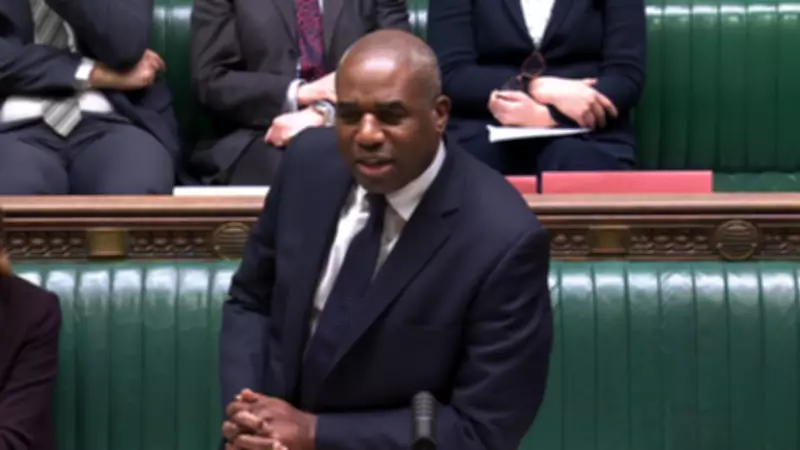
Justice Secretary David Lammy emphasized the urgency of the situation during parliamentary debate, stating: "The choice before the House is stark. We cannot continue with this rising backlog. Victims are currently worn down, people simply give up, cases collapse and offenders remain free."
Mixed Reactions from Labour MPs
Labour MP Karl Turner, considered the lead rebel against the proposals, abstained from voting after securing government agreement to place an opponent on the committee that will scrutinize the bill line by line. Following the vote, Turner told Sky News his opposition remained "stronger than ever" and expressed confidence that amendments could remove the most controversial aspects of the legislation.
Conversely, Labour MP Natalie Fleet voiced strong support for the proposals, telling Sky News: "I am standing up for this legislation because it is so important to me and the kind of country I want women to live in... we will see it on the statute books."
Cross-Party Opposition and Future Scrutiny
The legislation faced opposition from multiple political parties, with Conservatives, Liberal Democrats, Reform UK, Greens, and Your Party all voting against the bill. Conservative shadow justice secretary Nick Timothy criticized the government's approach, stating that Sir Keir Starmer and David Lammy should "hang their heads in shame" for striking "the first blow against our ancient legal right to trial by jury."
Liberal Democrat justice spokesperson Jess Brown-Fuller accused Labour MPs of having "simply sat by" while allowing the government to "push through its disastrous and unpopular plan to slash jury trials." The bill will now proceed for further detailed scrutiny by MPs as it moves through the parliamentary process.