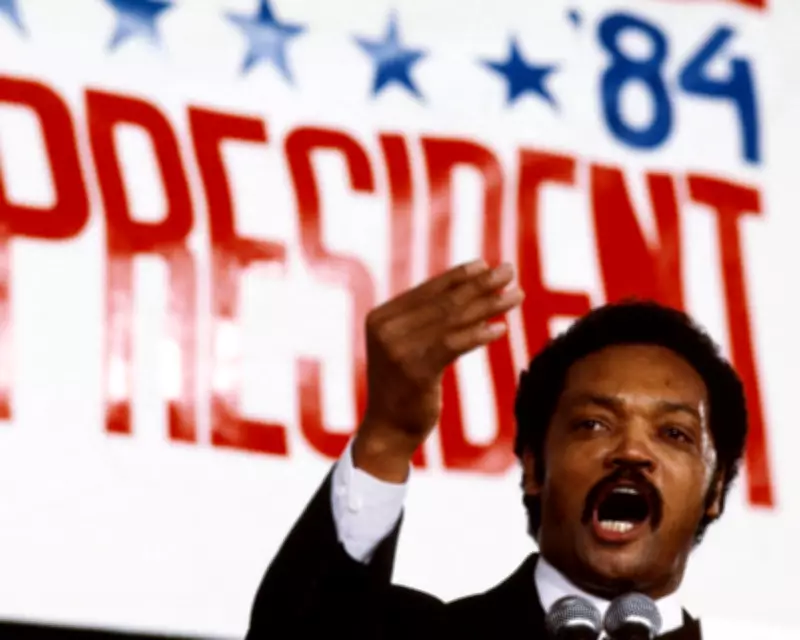
Jesse Jackson's Presidential Campaigns: A Transformative Force in Democratic Politics
In the 1980s, Jesse Jackson launched two groundbreaking presidential campaigns that fundamentally reshaped the Democratic Party's approach to politics and voter engagement. His efforts, though unsuccessful in securing the nomination, left an indelible mark on American political history by amplifying the voices of marginalized communities and advocating for progressive policies.
Mobilizing Minority Voters and Expanding the Democratic Base
Jackson's campaigns were notable for their ability to mobilize African American and other minority voters, who had often been overlooked in previous elections. His "Rainbow Coalition" strategy aimed to unite diverse groups—including people of color, labor unions, and progressive activists—under a common platform. This approach not only increased voter turnout in key demographics but also forced the Democratic Party to address issues of racial and economic justice more directly.
By focusing on grassroots organizing and community outreach, Jackson demonstrated the power of inclusive politics. His campaigns highlighted the importance of engaging with voters at the local level, a tactic that has since become a cornerstone of modern political strategies. The energy and enthusiasm generated by his runs helped to reinvigorate the Democratic base, particularly in urban areas and among younger voters.

Advancing Progressive Policies and Shaping Party Platforms
Jackson's policy proposals were ahead of their time, pushing the Democratic Party to adopt more progressive stances on critical issues. He advocated for:
- Economic reforms, including fair wages and job creation programs.
- Healthcare access for all Americans, a precursor to later debates on universal coverage.
- Environmental justice, linking pollution and climate change to social inequality.
- Educational equity, with calls for increased funding for public schools.
These ideas influenced the party's platform in subsequent elections, as Democrats began to incorporate elements of Jackson's agenda into their own policy frameworks. His campaigns served as a catalyst for broader discussions within the party about inclusivity and social justice, paving the way for future candidates to embrace similar themes.
Legacy and Lasting Impact on Democratic Strategy
The legacy of Jesse Jackson's presidential campaigns extends beyond the 1980s, with lasting effects on how the Democratic Party operates today. His emphasis on diversity and representation has encouraged the party to field more candidates from minority backgrounds and to prioritize issues affecting underrepresented communities. Additionally, his use of media and public speaking to connect with voters set a precedent for modern political communication.
Jackson's campaigns also highlighted the challenges faced by insurgent candidates within established political systems. While he did not win the nomination, his ability to secure delegates and influence the party's direction demonstrated that grassroots movements could exert significant pressure on political institutions. This lesson has been echoed in more recent primary contests, where outsider candidates have leveraged similar strategies to gain traction.
In summary, Jesse Jackson's presidential runs were not merely electoral endeavors; they were transformative movements that redefined Democratic politics. By championing progressive policies and empowering minority voters, Jackson helped to create a more inclusive and dynamic party, whose echoes can still be felt in contemporary political debates and strategies.