
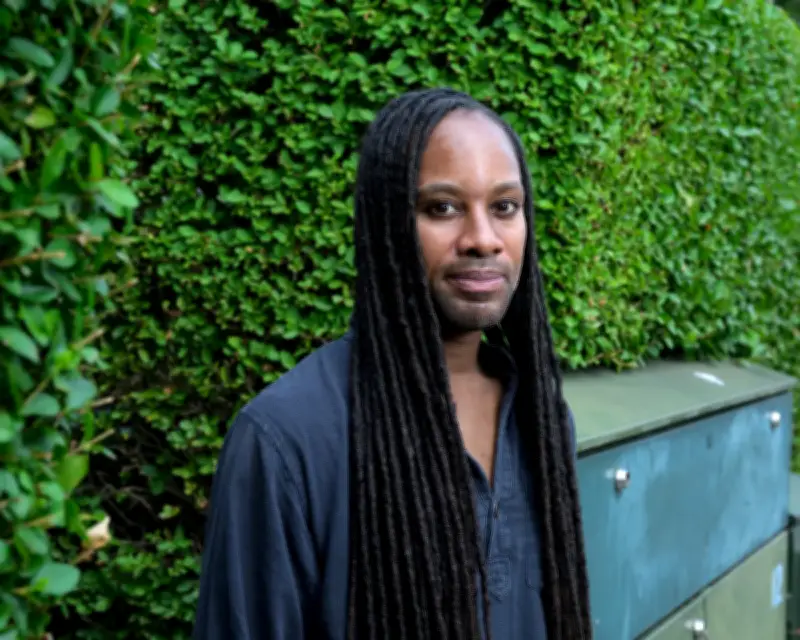
The tragic death of Jason Arday, a former Cambridge professor found dead at his home last week at age 41, has sparked widespread debate about race, institutional authority, and the pressures of public reputation in modern society. Arday, who resigned earlier this month from his position at the University of Cambridge, had publicly stated that scrutiny of allegations concerning his academic work and claims about his life was taking a profound toll on him. His death amid intense and continuing media examination has been described as deeply troubling, with Prime Minister Andy Burnham calling it “a moment for reflection.”
Arday's Remarkable Rise and the Allegations
Arday’s story was remarkable: an autistic child from a council estate who became a Cambridge professor at just 37. The university had publicized the symbolic dimensions of his appointment as a young, black, neurodivergent man. However, he had been accused of plagiarism in his doctoral thesis, though an earlier Liverpool John Moores University investigation had not upheld those allegations. His latest accuser, Nathan Cofnas, had advanced ideas widely condemned as racist, making his intervention seem far from neutral. Despite this, there was a clear public interest case for investigating the allegations.
The Role of Journalism and Institutional Response
The Guardian sought to establish what was true, which is the proper function of journalism. Reporters were contacted by Arday over a year ago and worked extensively to verify his claims, but in many instances they could not. It was right for the Guardian to publish its investigation, and it is wrong that the journalists who did their job responsibly are now being subjected to an onslaught of abuse. Cambridge, which has its own questions to answer, announced it would hold an internal inquiry. The Guardian’s coverage aimed to meet tests of importance and proportionality, covering the issue with nuance, unlike much of the rightwing media and its social media outriders.
Race, Merit, and the Weaponization of Allegations
Arday became an exhibit in an ideological, almost Trumpian campaign against diversity and inclusion. The allegations were no longer simply about one academic’s behavior or past record; they were used to suggest that Arday had never deserved to be there and had only advanced because of his race. The attacks were relentless, often partisan, and amplified without respite online. This is racism at work: white academics are generally allowed to fail as individuals, but black ones are not. Arday may have had questions to answer, but that did not make black academics collectively answerable for him. A society committed to equality must allow black people the same freedom as everyone else: to be flawed, to make mistakes, and even to fail, without their failure becoming an indictment of their race.




