Iranians Rally for New Supreme Leader Amid Fears of Increased Repression
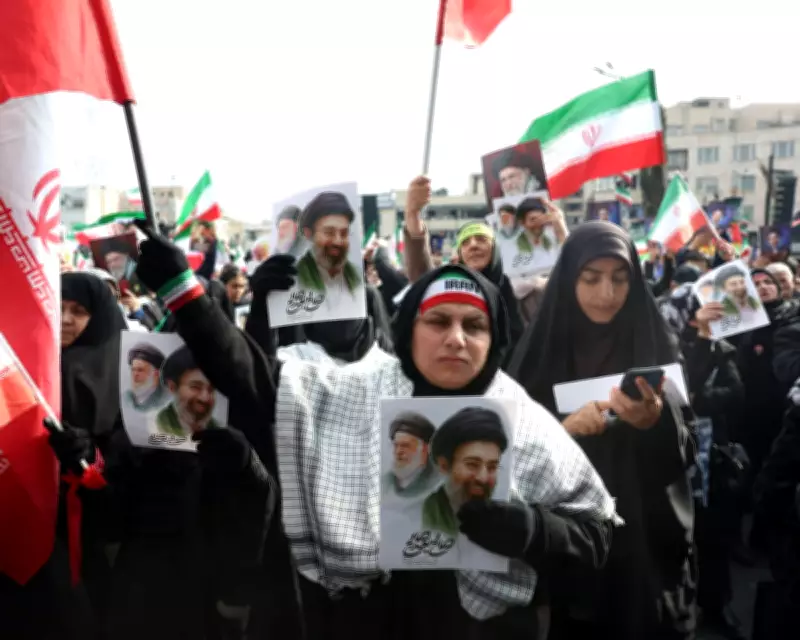
On 09 March 2026, large crowds gathered in Tehran's Enqelab Square to show support for the newly appointed supreme leader, Ayatollah Mojtaba Khamenei. The event occurred even as airstrikes hit parts of the capital, with participants carrying banners and chanting allegiance to the successor of the slain Ayatollah Ali Khamenei.
State Media Showcases Loyalty Rallies Across Iran
State media broadcast similar scenes from several cities, featuring pledges of loyalty and chants of "Death to America" and "Death to Israel" under the watch of security forces. These images contrasted sharply with celebrations just nine days earlier, when Iranians thronged streets to mark the assassination of Ali Khamenei in a joint US-Israeli strike. Many blame the late cleric for decades of repression, including bloody crackdowns on protests.
Online Fears and Social Media Backlash
Despite an ongoing internet blackout imposed by the regime, some Iranians have managed to send texts abroad. Videos posted on social media before the announcement showed people in Tehran chanting "Death to Mojtaba." Nima, a 21-year-old student from Mashhad, noted that many are waiting to see if former US President Donald Trump will act on his threat to assassinate the new leader if displeased.

Mojtaba Khamenei's Background and Hardline Reputation
Mojtaba, 56, has maintained a low profile but is known for close ties to the Islamic Revolutionary Guard Corps (IRGC) and its volunteer militia, the Basij. Nima described him as "way more of a hardliner than his father," citing his strong connections to these security institutions. State media reported that the 28 February strike that killed his father also claimed several family members, including Mojtaba's wife and son, with rumors of his own injury.
Atmosphere of Repression and Security Crackdowns
The atmosphere in Iran is expected to become more repressive under Mojtaba's leadership, according to Nima, who added, "That is, if he survives." A national crackdown continues despite the war, with the prosecutor general warning Iranians abroad that cooperation with the US or Israel could lead to property confiscation and hanging.
Protester Perspectives and Regime Reactions
Farzad, a 26-year-old anti-government protester in west Tehran, observed regime forces chanting "God is great" and appearing "on steroids" due to anger over the Khamenei family deaths. He suggested Mojtaba's appointment signals defiance to Trump, with the war likely to persist and protests suppressed under airstrikes and Basij patrols.
Symbolism and Support for Continuity
To supporters, Mojtaba represents continuity, symbolized by a digitally rendered image of Ali Khamenei handing over a folded national flag. At a pro-regime rally, university student Zahra Mirbagheri called the appointment "a slap in the face to our enemies."
Criticism and Irony of the Regime's Evolution
Critics highlight the regime's founding on a 1979 revolt against monarchy, now marred by corruption and violence. An activist in Tehran sarcastically pledged allegiance to the new "crown prince," mocking the US operation "Epic Fury" as a failure that reinforced hardliner control. They warned that "Khamenei 2.0" will prioritize IRGC interests, potentially leading to disastrous outcomes for Iran and the world.