Inside Rio's Bloodiest Day: The Guardian's February 20 Investigation
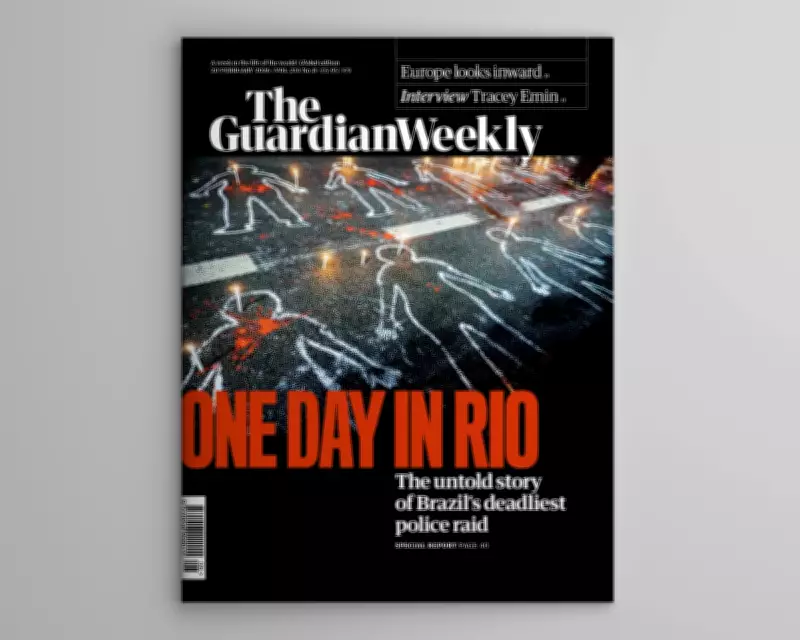
A comprehensive investigation by The Guardian Weekly has uncovered the harrowing details of February 20 in Rio de Janeiro, marking it as the city's most violent day in recent history. This in-depth report delves into the events that unfolded, shedding light on the factors contributing to the unprecedented bloodshed and its profound effects on the local population.
The Unfolding of Events
On February 20, Rio de Janeiro experienced a surge in violence that resulted in numerous casualties and widespread fear. The investigation reveals a complex interplay of criminal activities, law enforcement responses, and social tensions that escalated into a day of chaos. Eyewitness accounts and official reports paint a grim picture of the city's streets, where clashes between rival groups and security forces led to a tragic loss of life.
Key findings from the report include:

- A detailed timeline of the violent incidents that occurred throughout the day.
- Analysis of the underlying causes, such as gang conflicts and economic disparities.
- Interviews with residents and officials to provide a multifaceted perspective on the crisis.
Impact on the Community
The aftermath of February 20 has left deep scars on Rio de Janeiro's communities. The investigation highlights the emotional and psychological toll on families who lost loved ones, as well as the broader social implications. Residents report increased anxiety and a sense of insecurity, with many calling for urgent measures to address the root causes of violence.
The Guardian Weekly also explores the response from local authorities, including efforts to restore order and provide support to affected areas. However, critics argue that more needs to be done to prevent similar incidents in the future, emphasizing the need for long-term strategies focused on education, employment, and community engagement.
Broader Implications
This investigation serves as a stark reminder of the challenges facing urban centers like Rio de Janeiro. It raises important questions about governance, public safety, and social justice in cities grappling with high levels of crime. The report calls for a renewed focus on collaborative approaches involving government, civil society, and international partners to build safer and more resilient communities.
By providing a thorough account of Rio's bloodiest day, The Guardian Weekly aims to foster greater awareness and dialogue on these critical issues. The findings underscore the urgency of addressing violence not only through enforcement but also by tackling its socioeconomic drivers.