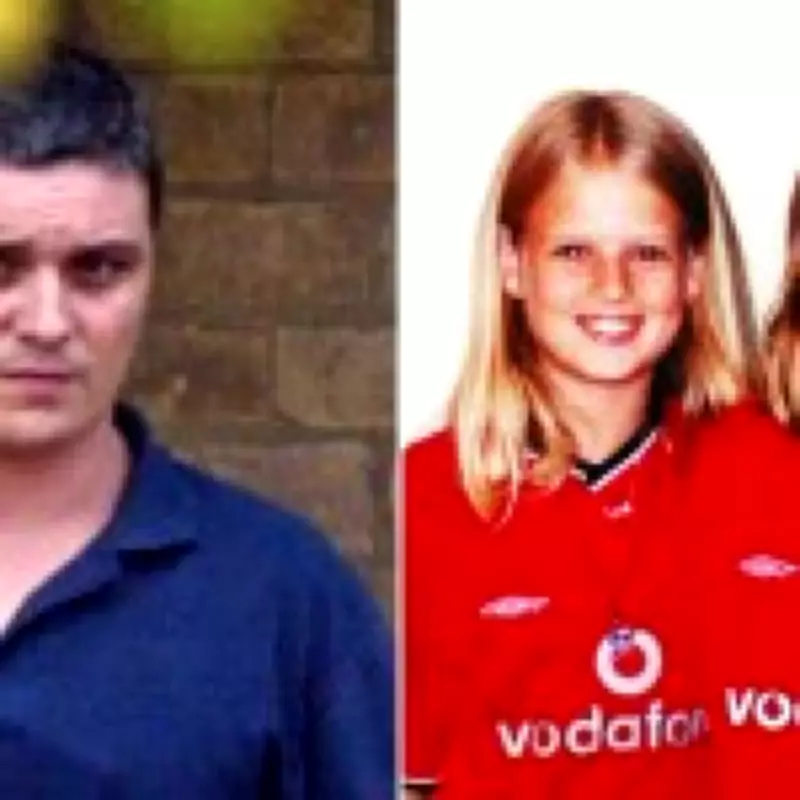
The Grim Reality Behind Ian Huntley's Prison Assault
Ian Huntley, the notorious Soham killer convicted for the murders of 10-year-olds Holly Wells and Jessica Chapman in 2003, has become one of thousands of inmates killed within prison walls. Last week, he was attacked in a workshop at HMP Frankland, bludgeoned in the head with a metal pole, leaving him brain dead with no expectation of survival. While many in the British public have celebrated online, calling it "karma" and "justice served," prison officers from HMP Frankland reveal a darker truth.
Not Justice, But Notoriety
According to insiders, the assault on Huntley was not motivated by a desire for justice for his young victims. Instead, it was driven by a quest for notoriety within the prison and the press. An ex-officer at HMP Frankland, nicknamed 'Monster Mansion' due to its infamous inmates, explained that the attack likely stemmed from a trivial dispute, such as an argument over a washing machine. However, the grim reality is that some inmates simply enjoy inflicting harm on others, using such acts to gain media attention and disguise their actions as punishment.
The officer criticized the romanticization of prison attacks, noting that social media comments praising inmates for "seeing to" criminals like Huntley are misguided. In reality, these perpetrators are often just as violent and dangerous, operating among their own kind without any moral high ground.

Debunking Prison Hierarchy Myths
Contrary to popular belief, prison hierarchies are not strictly based on the nature of crimes, such as placing child offenders at the bottom. The ex-officer emphasized that personality types and physical strength play a more significant role. For instance, a 6-foot brute who raped children was feared and bullied other inmates due to his size and aggression, not ostracized for his crimes.
HMP Frankland houses some of the UK's worst criminals, including those involved in major bombings and Wayne Couzens, who raped and murdered Sarah Everard. The prison has a history of brutal incidents, such as the 2012 case where child rapist Mitchell Harrison was tortured and disemboweled by inmates Michael Parr and Nathan Mann, who planned to eat his body. These attackers, already serving long sentences, had little left to lose, highlighting the severe psychological toll on prison staff who witness such horrors.
Suspect and Family Pleas
The prime suspect in Huntley's attack is Anthony Russell, a 43-year-old triple murderer and rapist serving a whole life order. His family has pleaded with the public not to view him as a hero, stating that he is "as bad as each other" and committed heinous crimes himself, which is why he shares a wing with Huntley. This underscores the complexity of prison dynamics, where perpetrators of violence are often equally culpable.
Huntley's Vulnerable Status and Past Attacks
Despite being segregated as a 'vulnerable prisoner' (VP) due to his high-profile crimes and risk of assault, Huntley has faced multiple attacks during his incarceration. In 2010, robber Damien Fowkes slashed his neck with a homemade weapon, causing a severe wound requiring 21 stitches. He also suffered an eye injury from undiluted cleaning fluid. The ex-officer noted that Huntley's notoriety made him a target for inmates seeking fame on social media or the chance to be labeled a hero, further traumatizing the families of his victims who must relive the horror through news coverage.
This incident sheds light on the harsh realities of prison life, where violence is often fueled by personal agendas rather than justice, challenging public perceptions and calling for a deeper understanding of the systemic issues within the correctional system.