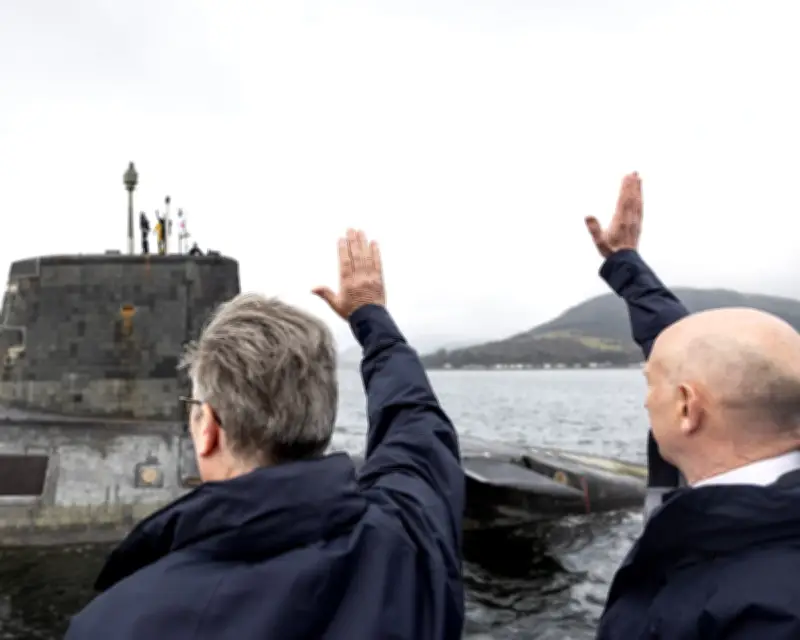
During Wednesday’s prime minister’s questions, the defence secretary stood apart from other cabinet members on the government frontbench, his expression unreadable as Keir Starmer and Kemi Badenoch traded blame over welfare and defence spending. In hindsight, he may have been thinking “to hell with both of them.” Most defence secretaries eventually go native, imagining themselves as frontline officers. Tory Ben Wallace appeared to despise most of his cabinet colleagues by the time he resigned in 2023.
Less than 24 hours after PMQs, Healey had also resigned, his departure made all the more powerful by its unexpectedness. It came out of a clear blue sky, with no media briefings, no threats to resign if demands were unmet. All arguments had occurred behind closed doors, driven by a determination to do the right thing.
His resignation letter to Starmer was polite but deadly. Amid standard pleasantries about the honour of serving and listing Labour’s achievements came the killer lines: Rachel Reeves had failed to give the armed forces the bare minimum for national defence, and the prime minister had been too weak to overrule his chancellor. Starmer had talked about security being his priority but hadn’t walked the walk, leaving Healey no choice but to act on his conscience.

For Starmer, this was devastating—the wrong resignation at the worst possible time. He could brush off the departure of a health secretary, but Healey was in a different league. No one thought he resigned for self-promotion; it was a resignation of a man with no other option.
The defence investment plan was meant to be Starmer’s legacy, though no one mentions the L word. Everyone in No 10 must act as if he will lead Labour into the next election, but Keir must know the game is almost up. His family may have had a quiet word. The drum beats from Makerfield grow louder; next week Andy Burnham is odds-on to become an MP.
Now the Dip may struggle to see the light of day before Makerfield. Far from being the prime minister who ringfenced security, Keir might be remembered as the man who put it at risk. By mid-afternoon Wednesday, the wagons were circling. Kemi Badenoch and other opposition MPs wasted no time in praising Healey insincerely while accusing Starmer of epic betrayal. No one will remember it was the Tories who hollowed out defence spending.
Danger came from the opposition and within. Tan Dhesi, Labour chair of the defence select committee, spoke out against shortfalls in the Dip budget, as did junior defence minister Al Carns, who described the Dip as not fit for purpose and Healey as a man who gave serious service.
Starmer appeared trapped. Unless he could squeeze at least £15bn more from the chancellor, he would struggle to appoint a new defence secretary. Who would want a job the previous incumbent called untenable from a lame duck prime minister? And Keir would be damned if Reeves did find the money—why had it taken the resignation of one of his most able ministers?
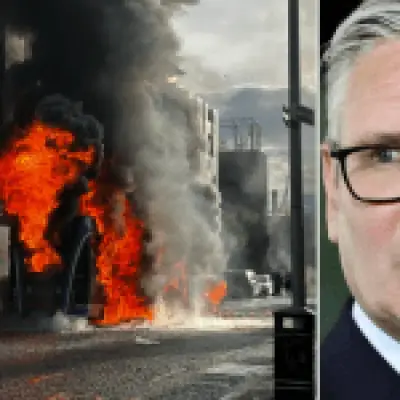
Healey’s departure was less of a surprise than it might seem. Still, it distracted from the riots in Belfast that spilled into a second night, with 12 police officers injured. No one seems to listen to Stephen Ogilvie’s parents as they appeal for calm. People now think they have a right to act on their anger. No one in Northern Ireland batted an eyelid when dozens of white women were killed by white men, but when a black man attacks a white man…
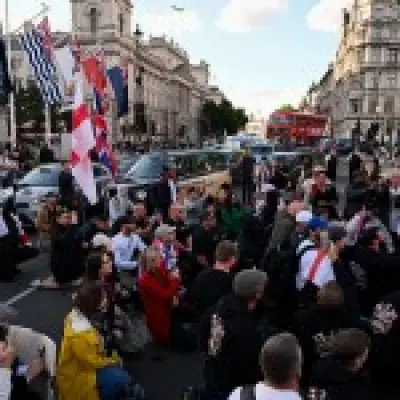
At times like this, the world tilts further right. Kemi tries to make the Tories more like Reform, first by promising to abolish the public sector equality duty, then telling the Spectator she would be happy to put Nigel Farage into No 10. Reform becomes more like Restore, with Nige calling for “pure, cold rage” and feigning amazement when he gets it. Restore chases Tommy Robinson as he suggests areas with immigrant populations where it might be fun to riot, and Robinson has Elon Musk’s endorsement. Musk, with so many personalities, sends avatars to chase others to the extreme right while sitting alone, becoming the world’s first trillionaire.

It fell to Northern Ireland secretary Hilary Benn to make sense of this on the morning media round. Was the violence racially motivated? When a mob of white people attacks black people, what else would you call it? He then tried to dial things down, insisting “This isn’t who the people of Northern Ireland are,” except it clearly is for some, as attacks happen. Older residents remember when violence was almost daily; most hoped it was past, but for some, it has moved from religion to race.