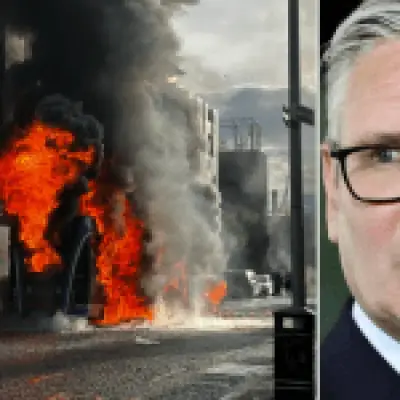
‘My first duty, the duty above everything else, is to keep our country safe, and to keep our people safe.’ Those were the words of Prime Minister Sir Keir Starmer during a visit to a weapons factory in Swindon just six days ago. It was not the first time he used that phrase. He has delivered the same sentiment previously regarding the Chagos Islands, the strategic defence review, Reform’s alleged ties with Russia, VE Day, and numerous other events. All of it served to reinforce one message: if he is not doing everything possible to protect the UK, he is failing at the most fundamental aspect of his job.
That is what makes the resignation letter of former Defence Secretary John Healey so profoundly damaging to the Prime Minister. In it, Healey writes that the yet-to-be-published Defence Investment Plan (DIP) ‘falls well short of what is required for defence and the country at this dangerous time.’ He adds, ‘Without a DIP that meets the moment in this way, I am being forced to make decisions that would reduce the readiness of our Forces and increase the risk to personnel on operations, and could make the country less safe.’ The implication is clear: the Prime Minister’s approach could make the country less safe.
Following the local elections last month, several ministers resigned from the government with attacks on Starmer’s attitude and leadership. While damaging, those resignations were survivable. There was always the argument that, despite the troubles at Number 10, changing leaders would cause too much chaos. Healey’s letter targets something more fundamental: Starmer’s ability to make decisions that keep the UK safe. It accuses the Prime Minister of being ‘unable’ and the Treasury of being ‘unwilling to commit the resources that the nation needs to defend the country at this time of rising threats.’ These lines suggest Healey believes a change in leadership is a matter of national security.

It is hard to imagine Starmer fully recovering from such an accusation, especially coming from someone with Healey’s status. The reaction to his resignation demonstrates how well-liked he is across party lines. Even Nigel Farage’s right-hand man Richard Tice called him ‘widely respected,’ and Conservative shadow defence secretary James Cartlidge said, ‘An honourable man has done an honourable thing.’ Healey has ruled out a run for the Labour leadership, making it difficult to paint his decision as self-serving. But he could be convinced otherwise if he believes Andy Burnham is not up to the task. When that near-inevitable leadership contest takes place, one man is far less likely to participate than it might have seemed yesterday—thanks to John Healey, it is the current occupant of 10 Downing Street.