Labour Peer Harriet Harman Condemns Angela Rayner's 'Negative Intervention'
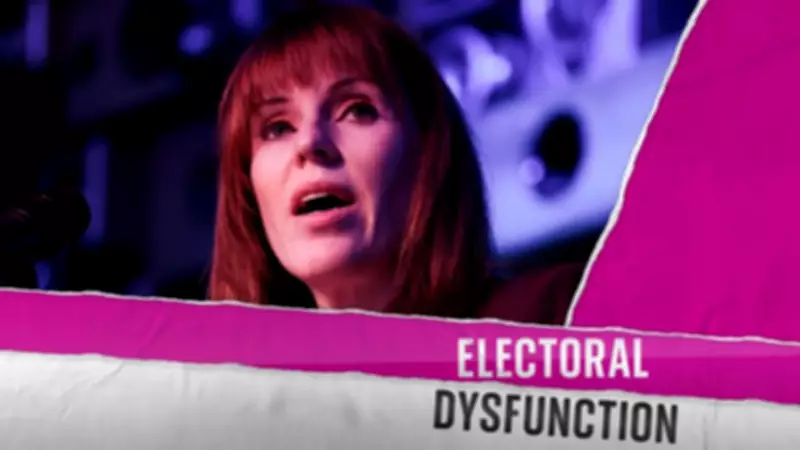
In a striking rebuke, veteran Labour peer Harriet Harman has publicly criticized Angela Rayner for what she termed a 'negative intervention' against Sir Keir Starmer's government. Speaking on Sky News' Electoral Dysfunction podcast, Harman argued that Rayner's recent speech offered little beyond criticism, failing to provide positive solutions during a tumultuous period for the Labour administration.
Harman's Critique of Rayner's Approach
Baroness Harman expressed her admiration for Rayner, acknowledging her as a 'remarkable woman' who energized the party in opposition. However, she sharply disapproved of Rayner's address at a Mainstream campaign event, where the former deputy prime minister warned that Labour was 'running out of time.' Harman emphasized that such comments, devoid of actionable proposals, are detrimental to both the party and the government, echoing tactics used by political opponents like Nigel Farage and Kemi Badenoch.
She stated, 'It's so easy to be popular when you are not in the hot seat, and whoever took over from Starmer would face all the same problems.' Harman urged Rayner to focus on constructive ideas rather than mere criticism, highlighting the government's struggle with complex issues.

Immigration Concerns Addressed
Further escalating her critique, Harman addressed Rayner's stance on immigration, noting its prominence as a key voter concern after the cost of living. She questioned Rayner's dismissal of stricter controls as 'un-British,' asking, 'Is she saying it doesn't matter that people are concerned about immigration or this is the wrong policy and we should be trying something else?' This, Harman asserted, exemplifies the 'negative intervention' that undermines Labour's unity and effectiveness.
The fallout from this internal discord comes as Labour navigates significant political pressures, with Harman's comments underscoring deep divisions within the party. Her remarks signal a call for solidarity and proactive governance, rather than public dissent that could weaken Labour's position ahead of future challenges.