
UN Maritime Chief Warns Naval Escorts Could Make Tankers Targets for Iran
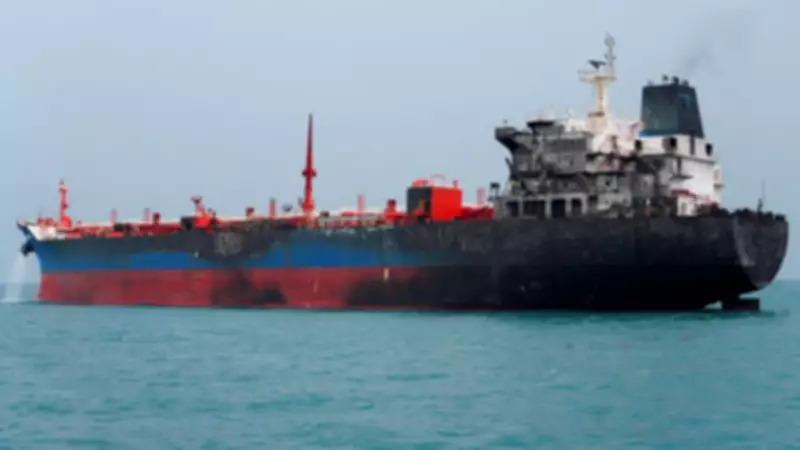
The head of the International Maritime Organisation (IMO) has issued a stark warning that naval escorts will not guarantee safe passage for oil tankers through the Strait of Hormuz and could instead present a target for Iran as it seeks to leverage control over this critical shipping lane. This caution comes in response to calls from former US President Donald Trump for allies, including the United Kingdom, to provide naval support to reopen the strait, which has been effectively closed for over two weeks following a US-Israeli offensive against Iran.
De-escalation as the Only Sustainable Solution
Speaking at the outset of a two-day emergency meeting of the IMO's governing council in London, Secretary-General Arsenio Dominguez emphasized to Sky News that "de-escalation" is the only sustainable way to restore the flow of shipping. The Strait of Hormuz, under normal circumstances, serves as a conduit for approximately one-fifth of global oil demand, but recent hostilities have paralysed traffic, triggering significant price shocks on global energy markets. Tehran's retaliation, involving attacks on tankers and other energy infrastructure, has exacerbated the crisis, highlighting the fragility of this vital maritime route.
Naval Convoys: Not a Long-Term Fix
Dominguez expressed deep concerns about the proposal for naval convoys, stating that "a ship can still be targeted even with an escort vessel next to it". He argued that such measures do not provide sufficient guarantees for insurance or the safety of seafarers, and are not a long-term sustainable solution. When asked if naval convoys could become targets themselves, he replied "absolutely", noting that without a formal ceasefire, resuming traffic through the strait remains too risky. He stressed the importance of multilateral dialogue and trust in finding peaceful resolutions, rather than relying on military escorts that could escalate tensions further.
Cowardly Attacks and Global Impact
The emergency meeting, convened by members of the IMO's 40-strong council—including the UK, US, and Gulf states like Saudi Arabia, the UAE, and Qatar—aims to address the escalating situation. Representatives from Iran and Israel are present as observers at the London gathering, held at the IMO's headquarters on the south bank of the Thames. Dominguez condemned the Iranian attacks on shipping as "cowardly", asserting that commercial vessels and their crews have been placed in unacceptable danger. He emphasized that the shipping industry should never be entangled in geopolitical conflicts, and that the repercussions extend beyond regional countries, affecting global trade and stability.
This development underscores the complex challenges in securing one of the world's most crucial maritime chokepoints, with the IMO advocating for diplomatic efforts over military interventions to ensure the safe and sustainable resumption of shipping activities.




