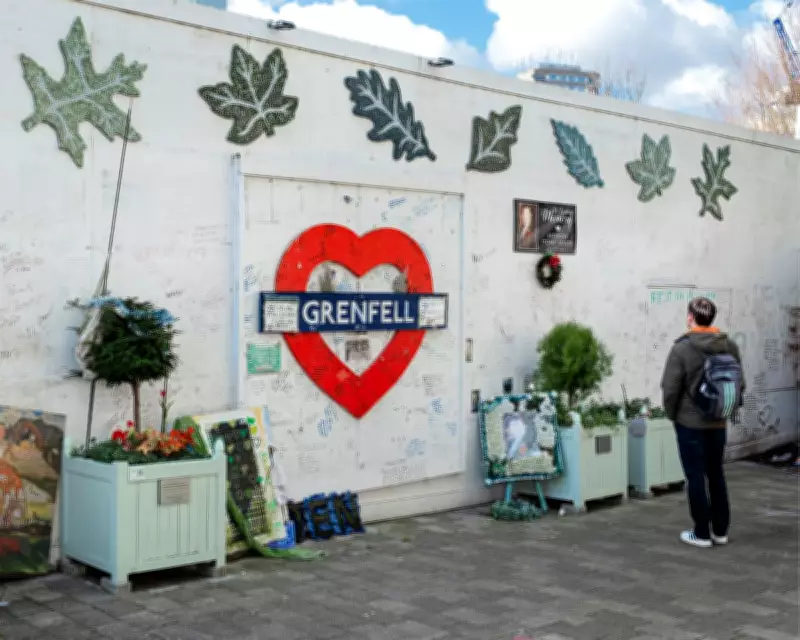
The announcement that police have sent files to the Crown Prosecution Service recommending charges against 77 individuals and organisations for their roles in the Grenfell Tower fire has brought a mix of relief, grief, and anger. Survivors and supporters will gather on 14 June for the ninth annual silent walk near the ruined tower in west London, as next year marks a decade since the tragedy.
Inquiry Findings Point to Multiple Failures
The public inquiry into the disaster identified numerous public and private bodies, decisions, and individuals as responsible. Construction firms Arconic, Kingspan, and Celotex were found to have been deliberately dishonest about their products. Central government was blamed for poor regulation of building safety. Kensington and Chelsea Council and its tenant management organisation faced strong criticism for fire safety lapses, along with architects and contractors involved in the block's refurbishment. The London Fire Brigade was deemed culpable for its dangerous 'stay put' policy, which should have been changed after previous cladding fires, including the 2009 Lakanal House fire that killed six people.
Delays in Criminal Trials Cause Frustration
Despite the inquiry's conclusions and 58 recommendations delivered in September 2024, criminal trials remain distant. Prosecutors are expected to decide on charges by next June, with cases unlikely to reach court until 2028 at the earliest. Survivors' groups have expressed shattered confidence in the system. Grenfell Next of Kin stated that their trust has been destroyed, while Grenfell United said survivors cannot endure years more of delay.

Campaigners rightly note that criminal law typically does not take this long. The Met Police defends the delay, citing the investigation as the most complex it has ever conducted. The inquiry amassed vast evidence that will feature prominently in court. Whether blame lies with the police, the decision by Theresa May's government to prioritise a public inquiry, or uncooperative witnesses, the protracted process has increased suffering and bitterness.
Beyond Criminal Convictions
Criminal convictions are not the only sought outcome. Campaigners welcomed the inquiry's findings and recommendations. Multimillion-pound civil settlements have been agreed. The government pledged dedicated funding for a long-planned memorial earlier this year. Building regulation is being overhauled, and a cladding removal programme continues.
Frustration Over Pace and Legal Weaknesses
However, frustration persists over the pace of change and concerns that corporate manslaughter and negligence laws are too weak. The Common Wealth thinktank warned of a 'very high threshold for liability' and called for tougher penalties for meaningful deterrence. Some firms responsible for the fire continue to win public contracts, causing further distress.
Despite the outpouring of sympathy after the fire and the tenacity of survivors campaigning for building safety and justice, accountability and resolution remain distant. Prosecutors must now take the baton from the police and move as quickly as possible.