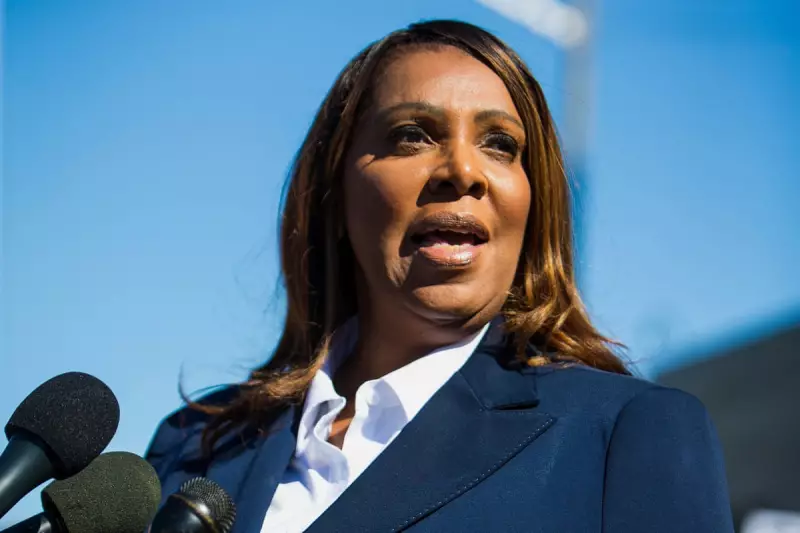
In a significant legal development, a federal grand jury has refused to re-indict New York Attorney General Letitia James on mortgage fraud charges. This decision comes less than a fortnight after a federal judge dismissed a similar case, ruling the initial prosecution as unlawful.
A Case Dismissed and Rejected
The US Department of Justice's move to present the case to a new grand jury was widely seen as a signal of its determination to prosecute Ms James, a prominent political adversary of former President Donald Trump. The charges, first brought in October 2025, alleged one count of bank fraud and one count of making a false statement to a financial institution.
Prosecutors claimed the case centred on a mortgage James obtained in 2020 for a property in Norfolk, Virginia. They alleged she secured a more favourable interest rate by declaring it would be a second home, while later renting it out. The purported financial benefit was stated to be approximately $18,933 over the loan's lifetime. James's niece resides in the home and reportedly testified to a grand jury that she did not pay rent.

Legal Challenges and Appointment Controversy
James has consistently maintained her innocence. Her defence, shared by former FBI Director James Comey who faced similar dismissed charges, hinged on a challenge to the legality of the prosecutor's appointment. The case was pursued by Lindsey Halligan, a former White House aide and Trump ally installed as US Attorney for the Eastern District of Virginia in late September 2025.
Halligan's predecessor, Erik Siebert, was reportedly forced out after determining there was insufficient evidence to charge Comey. US District Judge Cameron McGowan Currie ruled last month that Halligan's appointment was unlawful. The judge found that once Siebert's 120-day acting period expired and was extended by district judges, the Trump administration could not unilaterally appoint a replacement without proper judicial authorisation.
A Thin Case and Political Fallout
Legal experts noted that the criminal case against James appeared exceptionally weak. Former prosecutors suggested the small financial gain involved would not typically warrant federal prosecution. Furthermore, the mortgage's 'second home' rider did not explicitly prohibit renting, and documentation showed James informed her broker she did not intend to use the property as a primary residence.
Career prosecutors who initially concluded there was insufficient evidence to charge James were subsequently fired. The sequence of events—from the controversial appointment to the pursuit of a case deemed thin by experts—has intensified scrutiny over the motivations behind the prosecution, framing it within the broader context of political rivalries stemming from James's successful fraud lawsuit against Donald Trump.