Gordon Brown's Moral Crusade: Unpacking His Deep Dive into the Epstein Files
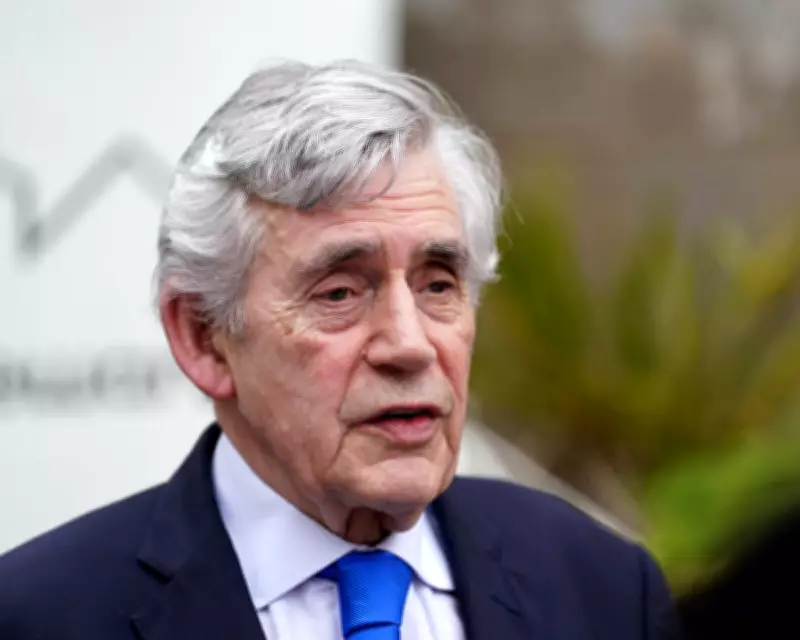
Gordon Brown, the former prime minister, is reportedly utterly appalled by Britain's apparent involvement in enabling a widespread network of exploitation linked to the Jeffrey Epstein scandal. This revelation comes as Brown delves deeply into the Epstein files, driven by a profound sense of moral outrage.
The Guardian Article and Its Aftermath
Before publishing a comment piece in the Guardian on February 6, Brown sought reassurance from friends, questioning if his strong language had gone too far. In the article, he expressed revulsion at the uncovered details about Epstein and his impact on politics, calling for transparency to let in the light. Brown was particularly troubled by allegations that Peter Mandelson, his de facto deputy prime minister, leaked market-sensitive documents to Epstein during the financial crisis, which he labeled a betrayal of national values.
Mandelson was arrested on Monday on suspicion of misconduct in public office, though he denies any wrongdoing. Brown's persistent investigation into the Epstein documents has drawn comparisons to a dogged detective, reminiscent of Jim Taggart from the crime series.

Investigations and Allegations
When initial Epstein emails surfaced last September, hinting at a close relationship between Mandelson and Epstein, Brown wrote to the then cabinet secretary, Chris Wormald, requesting correspondence. He was informed that no such papers were found. In a subsequent New Statesman piece, Brown detailed his findings, shocking readers with accounts of abuse and Britain's unacknowledged role.
He reported that British girls were on 90 Epstein flights from UK airports, dubbed the Lolita Express, and alleged Epstein used Stansted airport for cheap flights to bring in girls from Latvia, Lithuania, and Russia. Brown suggested police should interview Andrew Mountbatten-Windsor, who was later arrested on suspicion of misconduct in public office on his 66th birthday, also denying wrongdoing.
Brown's Motivation and Background Work
Brown has been assisted by journalist Clare Rewcastle, known for exposing corruption, who is married to his brother Andrew. According to sources, Brown has received information from various individuals, with some background work handled by others. His motivation is described as genuine moral anger, but insiders suggest it might be complicated by guilt over bringing Mandelson back into government in 2009.
Initially planned as deputy prime minister, Mandelson was given the title of first secretary of state due to opposition from senior figures. Brown's decision, made during the financial crisis to bring in economic expertise, was defended as part of a broader strategy, including consultations with European officials.
Political Reactions and Brown's Character
Labour MPs have reacted with anger to the Epstein revelations, while the Lords express grief over the betrayal. Brown is firmly in the anger camp, described as profoundly moral, with a history of disinterest in money during the expenses scandal. His stubborn, activist-like approach is seen as intrinsic to his character, with sources noting his aversion to holidays and preference for writing unsent press releases.
In his post-prime ministerial career, Brown has championed various causes, from police investigations into phone hacking to policy changes on benefits and palliative care. Insiders liken his drive to Ted Heath on steroids, acknowledging his role in driving the Epstein issue forward.
Current Focus and Future Plans
For now, Brown is content to let police investigations proceed. He has a new book on global politics set for release in September and is promoting a VAT relief policy to aid charities like Multibank, which he founded to distribute donated goods to disadvantaged families. Sources describe Brown as viewing everything as a moral crusade, with his passion being a powerful force for good.