Gilgo Beach Serial Killer Suspect Rex Heuermann Pleads Guilty to Eight Murders
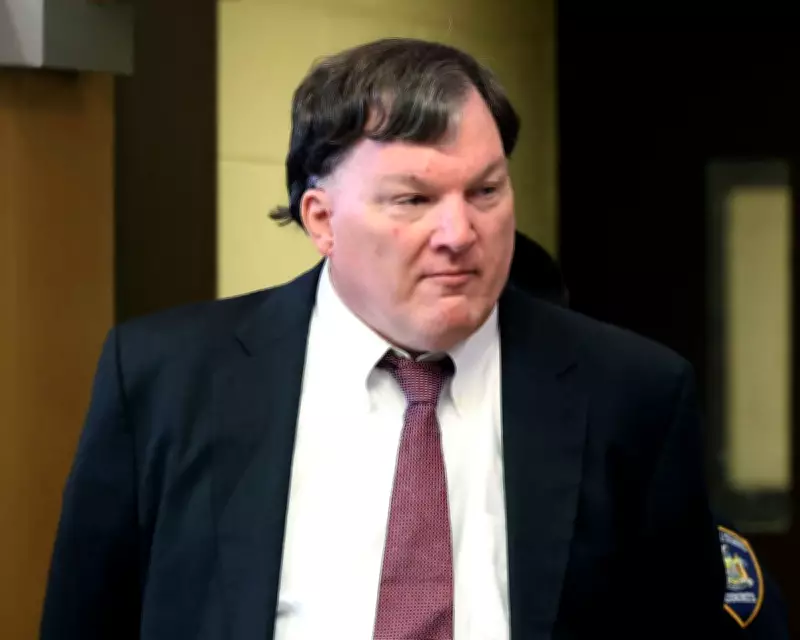
In a dramatic courtroom development, Rex Heuermann, the Long Island architect accused of the notorious Gilgo Beach serial killings, pleaded guilty on Wednesday to murdering eight women. The shocking admission came during a hearing in Riverhead, New York, where Heuermann detailed his crimes and added an eighth victim to his gruesome tally.
Decades-Long Investigation Culminates in Guilty Plea
Heuermann, who has been in custody since his arrest on a Manhattan street in July 2023, changed his plea from not guilty to guilty for the murders of women whose remains were discovered years after their disappearances. The victims' bodies were primarily found in marshland along Long Island's south coast, with Gilgo Beach serving as a central location in the investigation.
Many of the victims, who were predominantly sex workers, remained unidentified for years until a breakthrough in the case came through innovative investigative techniques. Detectives identified Heuermann through a combination of evidence including a discarded pizza crust, vehicle records, cellphone data, and mitochondrial DNA matches to the victims.

Courtroom Confession Details Gruesome Crimes
During the hearing before Judge Timothy Mazzei, Heuermann answered a series of questions confirming his readiness to enter a guilty plea. When asked if he was acting of his own free will, Heuermann responded, "Yes, I am."
The architect then detailed his methods, admitting to strangling his victims and using burner phones to contact them while luring them with money. He confessed to wrapping their bodies in burlap sacks before dumping them near Gilgo Beach and other locations.
Victims Named and Additional Murder Revealed
Heuermann pleaded guilty to killing Melissa Barthelemy in 2009, describing his method as strangulation. He repeated this admission for other victims charged in the case: Amber Costello, Megan Waterman, Maureen Brainard-Barnes, Valerie Mack, Jessica Taylor, and Sandra Costilla.
In a surprising twist, Heuermann also admitted to murdering Karen Vergata, a woman not named in the original indictment. He confessed to intentionally killing Vergata and transporting her body to Suffolk county.
The defendant acknowledged dismembering Taylor and Mack, spreading their remains in Manorville and near Gilgo Beach. He stated that he committed the murders in Nassau county, where he lived with his former wife and daughter, but dumped the bodies further east in Suffolk county.
Sentencing and Legal Proceedings
Judge Mazzei accepted Heuermann's guilty pleas, setting sentencing for June 17. The architect will receive life without parole for first-degree murder counts and four terms of 25 years to life for second-degree murder charges.
Michael Brown, Heuermann's attorney, stated that his client "had a right to change his plea, and accept responsibility," adding that "today gave peace and hope to the families."
Family Reactions and Investigation Background
Family members of the victims attended the hearing, with some visibly emotional as Heuermann confessed to the crimes. Elizabeth Baczkiel, mother of victim Jessica Taylor, spoke to reporters afterward, expressing relief at the resolution.
Heuermann's former wife, Asa Ellerup, and their daughter Victoria were also present. Ellerup's attorney, Robert Macedonio, described the situation as "unimaginable" and noted that "no one can prepare" for such circumstances.
Ellerup, whom prosecutors confirmed was out of town with their daughter during the killings, briefly addressed reporters: "Our thoughts and prayers are with the victims. Their loss is immeasurable, and the focus should be on them at this moment."
Investigation Breakthroughs and Evidence
The Gilgo Beach murder investigation began in 2010 when police discovered four sets of human remains while searching for missing woman Shannan Gilbert. Additional discoveries of dismembered remains sparked a search for a potential serial killer.
For years, the case remained cold until 2022 when a new police commissioner formed the Gilgo Beach taskforce and involved the FBI. Within six weeks, detectives identified Heuermann through a vehicle database that connected his pickup truck to a vehicle seen when one victim disappeared.

Investigators collected records for burner phones Heuermann used to arrange meetings with victims and retested DNA evidence using advanced techniques. When detectives tailed Heuermann in Manhattan, they retrieved a discarded pizza box from a garbage can, matching the DNA to a male hair found on one victim.
Following his arrest, investigators spent twelve days searching Heuermann's family home in Massapequa Park, Long Island. They discovered a basement vault containing 279 weapons, a computer with a "blueprint" for his murder system, and checklists detailing how to reduce noise, clean bodies, and destroy evidence.
The body of victim Sandra Costilla was found more than 60 miles away in the Hamptons, while Karen Vergata's partial remains were discovered on Fire Island in 1996, matching other remains found near Gilgo Beach five years later.