
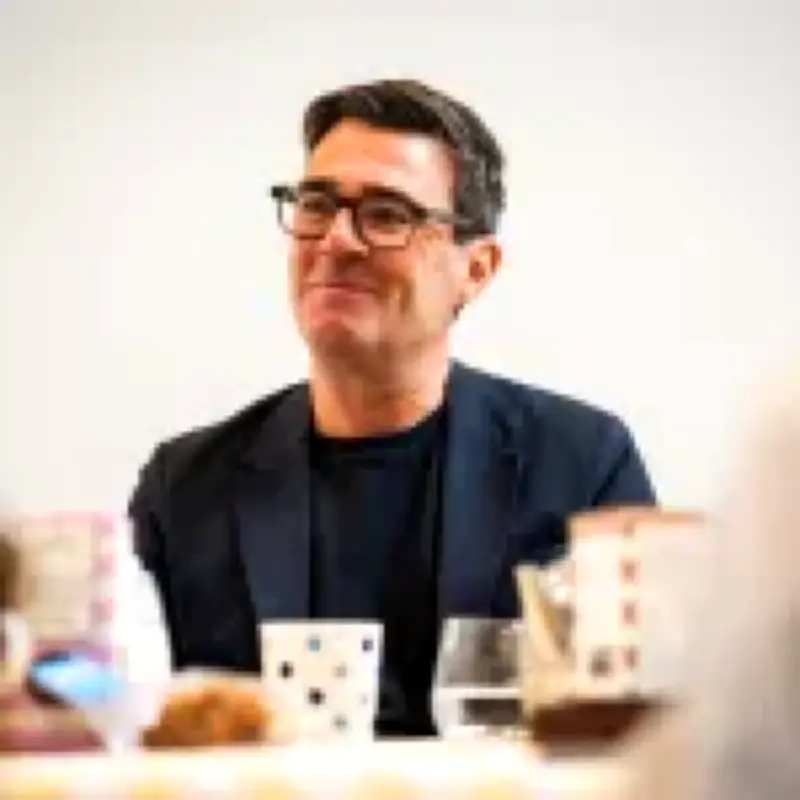
Prime Minister Andy Burnham has proposed spending £442m to get everyone sleeping rough off the streets by Christmas, a plan that former rough sleeper and campaigner Kerri Douglas says feels like her voice is finally being heard.
Personal experience of rough sleeping
Douglas, now a speaker and consultant on homelessness, began sleeping rough at 13 after leaving the care system with no support. She spent more than a decade moving between the streets and temporary accommodation, finally leaving homelessness behind at age 24.
As a teenager and young woman, she would sleep behind Charing Cross station, trying not to be seen for fear of being attacked, abused or told to move on. Sometimes she had no choice but to beg on the Strand for enough money to get something to eat.
“The wintertime was especially hard,” Douglas wrote. “Everyone seemed to be going somewhere – people were rushing home to their families, buying presents, meeting friends and getting ready for Christmas. But I didn’t have a home to go to, let alone a family to spend the festivities with.”
Proposed plan and past success
Burnham has said every rough sleeper in England will be offered accommodation this winter, alongside practical support for any health needs. Douglas, who spent years relying on the charity Crisis at Christmas for food, warmth, healthcare and companionship, said she desperately wants the plan to work.
She noted that ending rough sleeping has been achieved before: during the Covid-19 pandemic, the Everyone In policy saw thousands of people who would otherwise be on the streets given somewhere to sleep. “Politicians seemed to have woken up and realised that leaving people to suffer outside isn’t acceptable,” she said. “The scheme proved that when there’s enough funding and a genuine desire to improve people’s lives, change is possible.”
Systemic challenges beyond temporary shelter
Douglas expressed anxiety about what happens next, emphasising that getting somebody off the street is not the same as ending their homelessness. Homelessness is often caused by systemic failures such as a deficit of social housing or poverty wages.
“I wasn’t just a ‘rough sleeper’ who needed a short-term fix, I was a young girl carrying years of childhood trauma, having been through various foster and children’s homes,” she wrote. “And when things got really difficult, I suffered from addiction and mental health struggles, which I needed support with. But I was offered none.”
Douglas now works as a consultant and speaker, providing training to professionals about solutions for ending all forms of homelessness. She noted that the latest figures show over 175,000 children living in temporary accommodation, and that hidden forms of homelessness – including people sofa surfing and women sleeping rough who are often hidden from public view – push the numbers even higher.
Long-term vision needed
Douglas hopes Burnham takes this reality into account so his plan can succeed in the long term. “It’s great to give people somewhere safe to sleep, but the aim should be to move them into a safe and permanent home in the long term, with the necessary support and to move on from the trauma that comes with experiencing homelessness,” she wrote. “Getting someone off the street is one thing. Making sure they never have to go back is another.”




