Feminism's Crucial Role in Prince Andrew's Arrest
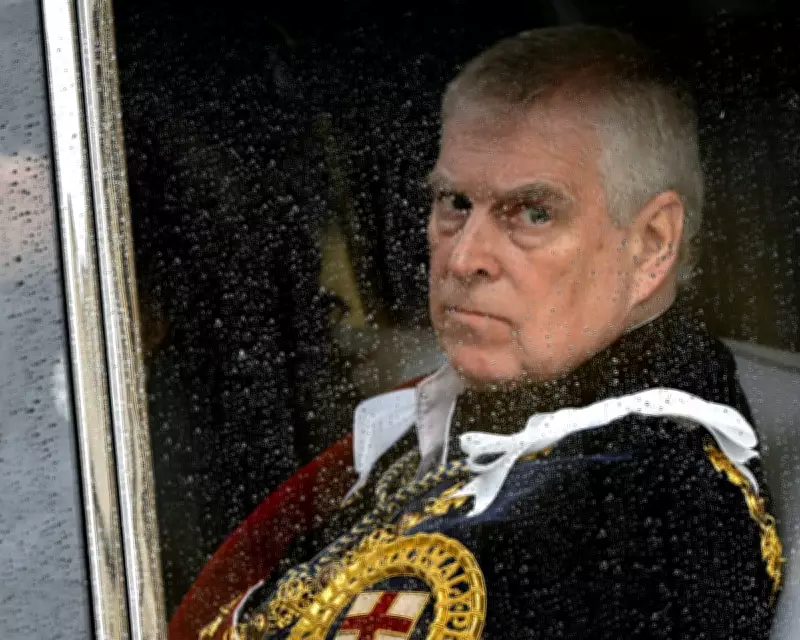
This week marked a historic moment in the United Kingdom, as a member of the royal family was arrested for the first time since 1647. Prince Andrew, formerly known as Prince Andrew Mountbatten-Windsor, was taken into custody not over allegations of sexual misconduct, but for trade-related communications with Jeffrey Epstein, the supplier of victims in a trafficking ring. The arrest stems from emails released by the U.S. government, which are now under investigation in a criminal case.
Public Outrage and Legal Accountability
Virginia Giuffre, who accused Prince Andrew of having sex with her when she was a minor trafficked by Epstein, has long sought justice. While Andrew has consistently denied wrongdoing, his arrest on suspicion of misconduct in public office represents a significant step. Until now, only his family had held him accountable for his continued association with Epstein after Epstein's 2008 conviction for soliciting a minor for prostitution. In a statement, Giuffre's family expressed relief, noting that "no one is above the law, not even royalty."
However, the English proceedings are still unfolding, and many others remain shielded from the consequences of their crimes. In the United States, former President Donald Trump's frantic behavior since last summer suggests he has much to hide, with U.S. Attorney General Pam Bondi allegedly aiding in concealing it.

The Feminist Foundation for Change
Without feminism, the sequence of events leading to Prince Andrew's arrest would never have occurred. This underscores feminism's power and transformative impact, which explains the fierce pushback from those benefiting from old inequalities and silences. The road to this arrest began with an international surge of feminist activism around 2013, focusing on violence against women and misogyny. Early discussions centered on alleged abuses by figures like Woody Allen and Bill Cosby, sparking public debate and education about how such crimes are perpetrated and victims silenced through threats, victim-blaming, and non-disclosure agreements.
This public awareness created a new receptivity to long-suppressed stories. From Bill Cosby to Jeffrey Epstein, Sean Combs, Larry Nassar, and Harvey Weinstein, these men committed crimes for decades with impunity, only apprehended when society finally listened to victims. Older waves of feminism played a key role by placing women in influential positions as judges, lawyers, editors, and elected officials, and by encouraging men to recognize women's rights and credibility.
The MeToo Movement and Its Precursors
The 2017 #MeToo movement is often seen as a starting point, but it was the culmination of earlier efforts. Celebrity sexual abuse scandals had already emerged, with journalists initially facing resistance when reporting on figures like Harvey Weinstein. By 2017, a shift occurred, leading to exposes by Megan Twohey, Jodi Kantor, and Ronan Farrow, which opened the gates for further investigations.
Julie K. Brown's epic investigation for the Miami Herald into Jeffrey Epstein, who had received a light sentence for sex crimes against children, brought down Trump's former secretary of labor, Alex Acosta. This exposure led to Epstein's arrest in July 2019, revealing the true scale of his crimes through the stories of dozens of victims.
The Broader Conflict and Systemic Issues
The conflict over whether women deserve rights and a voice in society is central to this narrative. On one side, feminism advocates for equality; on the other, forces like the Trump administration and far-right figures, including Nick Fuentes and pastors endorsed by Secretary of Defense Pete Hegseth, seek to roll back rights, even opposing women's suffrage. Epstein's network, which treated women and girls as commodities, exemplifies a system of inequality where victims are dehumanized.
Sex crimes in this context are ritual enactments of power and impunity, celebrating misogyny. Epstein's close association with powerful figures, including the president of the United States, highlights how elite circles often prioritize self-advancement over human rights. The involvement of financial titans underscores how capitalism can reduce people to commodities, eroding rights for profit.

Feminism, as a campaign to reclaim rights and dignity under patriarchy, had a tangible impact this week. The work continues, reminding us of the ongoing struggle against sexual abuse and inequality.