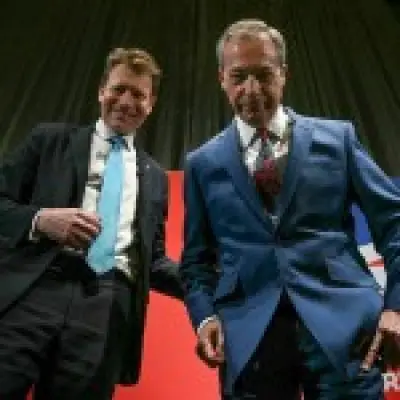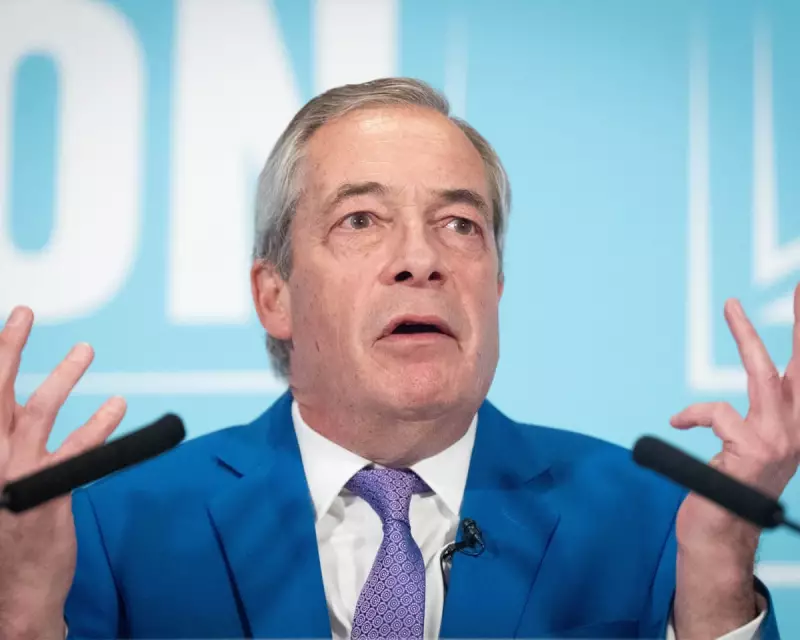
Newly elected MP Nigel Farage chose to shun the House of Commons for the media spotlight on Wednesday, skipping Prime Minister's Questions to deliver a marathon press conference where he made a series of incendiary claims and addressed the ongoing controversy over his past behaviour.
A No-Show in the Commons
Despite finally achieving his long-held goal of becoming an MP for Clacton after seven previous failed attempts, Nigel Farage appears reluctant to engage with parliamentary routine. On the first Wednesday after the new year recess, Farage was absent from the Commons chamber during the weekly PMQs session. Instead, he opted to provide commentary on the session for Times Radio, having earlier held a one hour and 40 minute press conference in London.
This continues a pattern of the Reform UK leader, who leads a party of just five MPs, preferring the media gallery to the opposition benches. Critics suggest it reflects a desire for a platform that accommodates his style, rather than adhering to the conventions and waiting times of the parliamentary process.

Refusing to Apologise and Attacking London
The press conference covered wide ground, but two topics stood out. Firstly, Farage was asked about the 28 former Dulwich College schoolboys who have come forward with clear memories of his racist and antisemitic behaviour during their schooldays. When pressed to apologise, Farage refused, dismissing all 28 accusers as "fantasists." He suggested people should "lighten up a little."
Secondly, Farage turned his fire on London, which he claimed had become "the most dangerous city in the world" under Mayor Sadiq Khan. He painted a picture of deserted streets where people were too afraid to leave their homes, a characterisation starkly at odds with official crime survey data. He used this platform to introduce Reform's prospective mayoral candidate, Laila Cunningham, who echoed his criticisms and made a series of sweeping policy pledges including scrapping ULEZ and congestion charges.
A 'Non-Event' PMQs and Badenoch's Attack
Meanwhile, back in the chamber, the first Prime Minister's Questions of the year was described as something of a "non-event." Focused on foreign affairs including Venezuela, Greenland, and Ukraine, the session typically sees a show of cross-party unity on matters of national security.
This unity was fractured by Conservative leader Kemi Badenoch, who launched a personal attack on Prime Minister Keir Starmer. Badenoch criticised Starmer for not having spoken directly to Donald Trump, despite ongoing negotiations with his team, and attempted to blame Labour for previous Tory failures. The exchange ended poorly for Badenoch, with observers noting she appeared "unhinged and childish." The session concluded with a Tory spokesman clarifying that shadow attorney general Lord Wolfson would recuse himself from matters relating to Russia.
Farage's day concluded with a defence of his £13,000 earnings from the social media platform X, which he saw as a legitimate side income for a politician. His avoidance of the Commons and preference for unfiltered media engagements sets a distinct tone for his parliamentary career, one centred on external campaigning rather than internal debate.