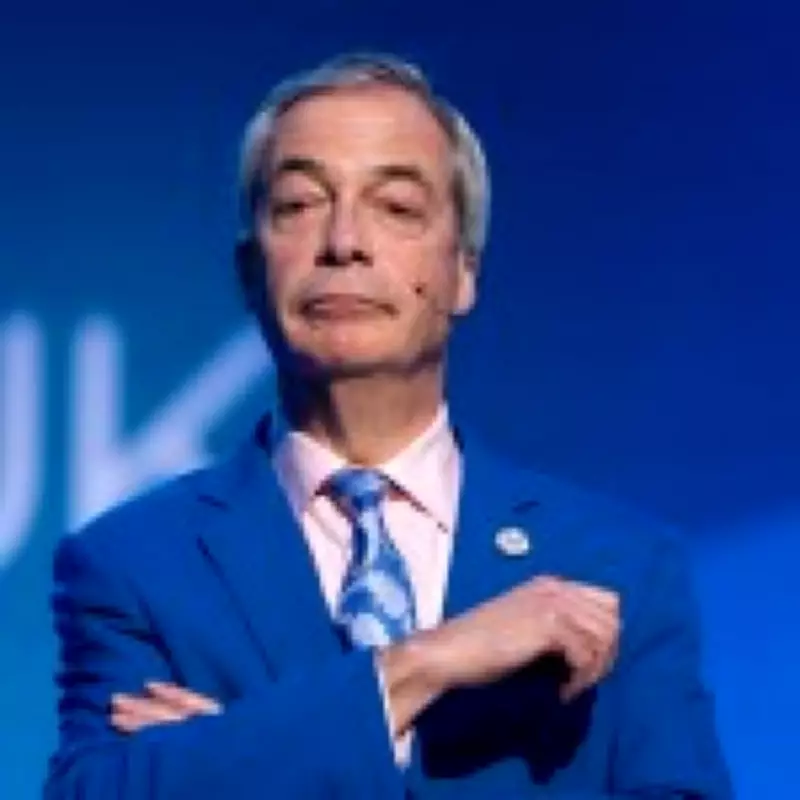
Nigel Farage Unveils Controversial Voting Reform Proposals
Reform UK leader Nigel Farage has announced sweeping plans to overhaul the UK's electoral system, proposing that only British citizens should be allowed to vote in parliamentary elections. The proposals would significantly restrict postal voting and completely remove voting rights for Commonwealth citizens who currently qualify as residents.
Postal Voting Restrictions and Commonwealth Citizen Exclusion
Under the current system, anyone eligible to vote in UK elections can choose to do so by post. Reform UK's plan would limit postal voting to specific groups: the elderly, disabled individuals, serving armed forces personnel, and those working overseas during an election period. Farage has been vocal in his criticism of postal voting, claiming it has turned UK elections into a "laughing stock" and is "riddled with fraud, intimidation and outright cheating."
The more controversial aspect of the proposal involves stripping voting rights from Commonwealth citizens. Currently, Commonwealth nationals who qualify as residents can vote in all types of UK elections. Reform UK's spokesperson confirmed that Irish citizens, who also have voting rights in parliamentary elections, would not be affected by these changes.

National Sovereignty and Election Integrity Concerns
Farage argues that allowing non-British citizens to vote "undermines national sovereignty" and shifts election focus from domestic to international issues. "Allowing non-Brits – people with zero connection to this country – to vote on our future is absurd," Farage stated. "It is right that only British citizens should be able to vote in British parliamentary elections."
The Office for National Statistics estimated in 2012 that approximately 1.2 million Commonwealth nationals were living in the UK, though current numbers are likely higher. Reform UK claims these proposals are necessary to restore trust in the democratic process, which Farage says has been "poisoned" by years of electoral issues.
Recent Election Controversies Prompt Action
The announcement follows Reform UK's request for police to investigate alleged election fraud in the recent Gorton and Denton by-election. Election observer group Democracy Volunteers reported witnessing "concerningly high levels" of "family voting," an illegal practice where two voters use one polling booth and potentially influence each other's votes.
Farage has promised to take action after the next general election if nothing is done about these allegations. "If this is what was happening at polling stations, just imagine the potential for coercion with postal votes," he warned.
Political Reactions and Historical Context
Tory party chairman Kevin Hollinrake described the allegations of family voting as "deeply concerning" but criticized Reform UK's proposals as a "headline-grabbing" exercise. "Rushing to impose sweeping bans on postal voting is a kneejerk reaction that risks disenfranchising pensioners, disabled people and overseas British citizens who rely on postal ballots to have their say," Hollinrake argued.
Farage has a history of criticizing postal voting when his parties lose elections. In 2015, after his former party Ukip lost the Oldham West and Royton by-election, Farage alleged postal vote abuse and questioned election conduct in constituencies with large ethnic minority communities. In 2019, when the Brexit Party lost the Peterborough by-election, Farage again criticized the postal vote system, though a subsequent legal challenge was withdrawn.
Reform UK's proposals represent the most significant electoral reform agenda from a major political party in recent years, touching on fundamental questions about citizenship, democracy, and election integrity in modern Britain.