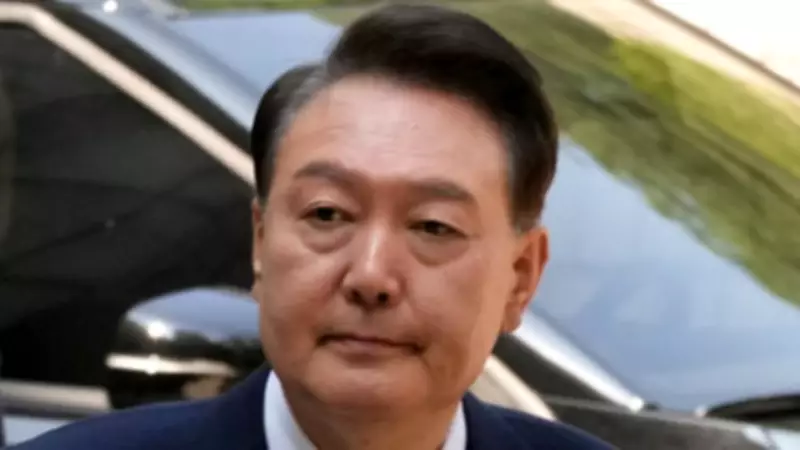
A South Korean court has delivered a landmark verdict, sentencing former President Yoon Suk Yeol to life imprisonment after finding him guilty of severe charges including abuse of authority and masterminding an insurrection. This case stems from his controversial imposition of martial law in December 2024, an act that plunged the nation into a political crisis.
The Charges and Verdict
Yoon Suk Yeol, a staunch conservative leader, was convicted for mobilizing military and police forces in an illegal attempt to seize control of the liberal-led National Assembly. The court determined that his actions constituted a direct assault on South Korea's democratic constitutional order. Prosecutors had sought the death penalty in January, arguing that his emergency martial law decree undermined the National Assembly and Election Commission, effectively destroying the liberal democratic framework.
Background of the Crisis
In December 2024, Yoon declared martial law, justifying it as necessary to counter what he described as "anti-state" forces obstructing his agenda. The emergency rule lasted approximately six hours before being lifted after politicians managed to break through a blockade by hundreds of heavily-armed troops and police. The National Assembly then unanimously voted to revoke the measure, highlighting the swift backlash against Yoon's actions.

Additional Convictions and Sentences
The court also handed down sentences to several former military and police officials involved in enforcing the martial law decree. Former Defence Minister Kim Yong Hyun received a 30-year jail term for his central role in planning and mobilizing the military. Additionally, former Prime Minister Han Duck-soo was sentenced to 23 years in prison for attempting to legitimize the decree by forcing it through a cabinet council meeting, falsifying records, and lying under oath. Han has appealed the verdict.
Previous Legal Proceedings
Last month, Yoon was separately sentenced to five years in prison for resisting arrest, fabricating the martial law proclamation, and sidestepping a legally mandated full cabinet meeting prior to declaring martial law. This adds to his legal troubles, painting a picture of systematic attempts to consolidate power unlawfully.
Broader Implications
South Korea has not executed anyone since 1997, maintaining a de facto moratorium on capital punishment, which influenced the court's decision to impose a life sentence instead. This case underscores the fragility of democratic institutions and the severe consequences for leaders who attempt to subvert them. The verdict sends a strong message about the rule of law and accountability in South Korea, reinforcing the importance of upholding democratic principles.
The sentencing marks a significant chapter in South Korean political history, reflecting ongoing tensions between conservative and liberal factions. As the nation processes this verdict, it highlights the critical need for vigilance in protecting democratic norms against authoritarian overreach.