Former Foreign Office Chief Launches Scathing Attack on Starmer Administration
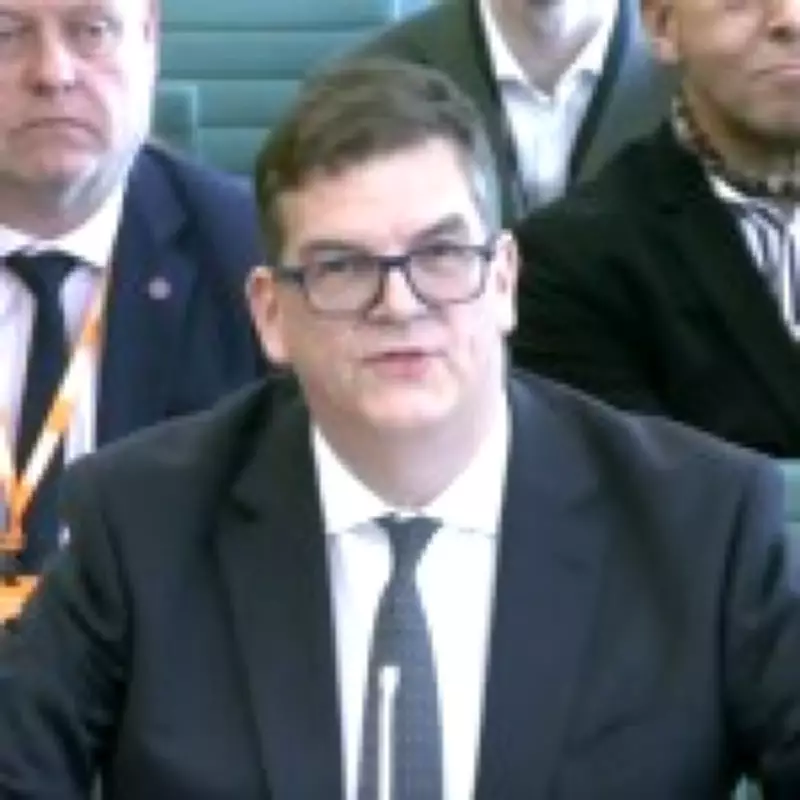
Sir Olly Robbins, the recently dismissed top civil servant at the Foreign Office, has delivered explosive testimony alleging that Downing Street exerted intense pressure to fast-track Peter Mandelson's controversial appointment as US Ambassador. Speaking before the Foreign Affairs Committee this morning, Robbins revealed that Number 10 created a "very strong expectation" that Mandelson should be "in post and in America as quickly as humanly possible."
Security Vetting Concerns Ignored Amid Political Pressure
The revelations come as Prime Minister Keir Starmer faces mounting scrutiny over his decision to appoint Mandelson, a former Labour grandee and close associate of convicted paedophile Jeffrey Epstein, to Britain's most prestigious diplomatic posting. Robbins told committee members that the risks associated with Mandelson's appointment were "well-known" and had been explicitly communicated to the Prime Minister before the final decision was made.
"The very first formal communication from Number 10 private office emphasized that they wanted everything done at pace," Robbins testified. "They specifically demanded Mandelson be in position before President Trump's inauguration. This translated into what I perceived as a generally dismissive attitude toward proper vetting clearance procedures within my Foreign Office team."

Conflicting Departmental Positions on Vetting Requirements
Robbins further disclosed that significant debate was occurring between government departments about whether Mandelson required standard security vetting at all when the appointment was publicly announced. The Cabinet Office had argued that as a member of the House of Lords and Privy Council, Mandelson should be exempt from normal vetting procedures.
"It was not a given that Mandelson would undergo standard vetting," Robbins explained to MPs. "A substantive discussion was still underway between departments regarding the necessity of clearance when the Prime Minister's office proceeded with the announcement."
Starmer's Defense and Ongoing Political Fallout
Prime Minister Starmer addressed the House of Commons yesterday, insisting he "would not have gone ahead with the appointment" had he known that Foreign Office officials had recommended denying security clearance. Downing Street has attempted to shift responsibility onto civil servants within the Foreign Office who allegedly gave Mandelson the green light without disclosing the vetting concerns.
However, Robbins' testimony directly challenges this narrative, suggesting that political pressure from the highest levels of government overrode standard procedural safeguards. The former civil servant's comments represent the most detailed account yet of the internal dynamics surrounding one of the Starmer administration's most controversial appointments.
The scandal continues to intensify political pressure on Starmer, who has described the civil servants' actions as "absolutely unforgivable" while maintaining he was kept unaware of the full extent of vetting concerns. Robbins' testimony before the Foreign Affairs Committee provides crucial new context about the administration's handling of the sensitive diplomatic appointment.