In a dramatic turn of events, former Bolivian President Evo Morales has made a high-profile return to his homeland, Bolivia, after spending several years in political exile. This move has ignited intense discussions across the country and internationally, as observers speculate on its implications for Bolivia's fragile political landscape and Morales's own future role in governance.
Background of Morales's Exile and Political Context
Evo Morales, who served as Bolivia's president from 2006 to 2019, was forced into exile following widespread protests and allegations of electoral fraud during the 2019 general election. His departure marked a significant shift in Bolivian politics, leading to an interim government and subsequent elections that saw new leadership take charge. Throughout his time abroad, primarily in Argentina and Mexico, Morales remained a vocal critic of the Bolivian government, advocating for his political movement and maintaining a strong base of support among indigenous and rural communities.
Reactions to Morales's Return
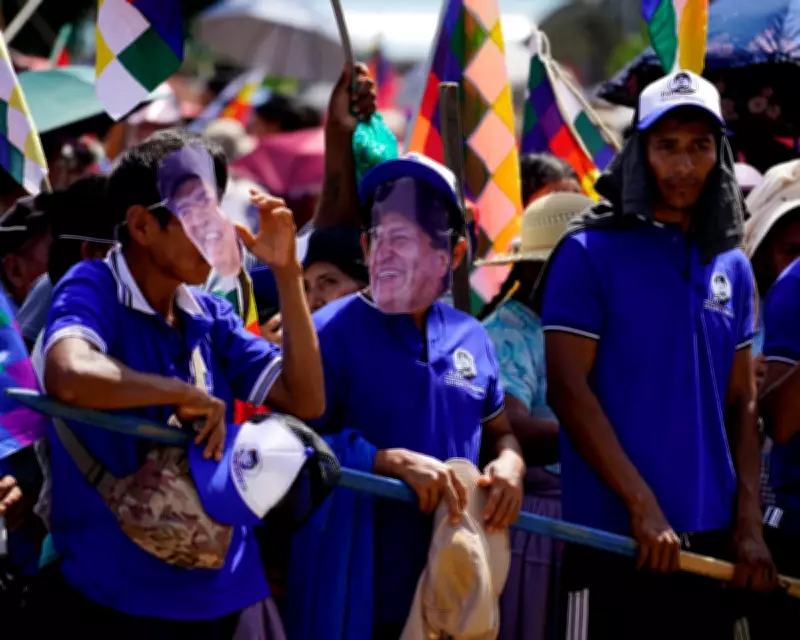
The return of Evo Morales has elicited mixed reactions from various sectors of Bolivian society. Supporters have welcomed him back with rallies and celebrations, viewing his comeback as a triumph for social justice and indigenous rights. They argue that his presence could reinvigorate leftist movements and address ongoing economic and social inequalities.

Conversely, critics and political opponents have expressed concerns about potential instability. They fear that Morales's return might exacerbate existing political divisions, leading to renewed protests or conflicts. Some analysts suggest that his move could challenge the current administration's authority, testing Bolivia's democratic institutions and rule of law.
International Implications and Future Prospects
Internationally, Morales's return has drawn attention from global leaders and organizations. Countries with left-leaning governments have shown support, while others are monitoring the situation closely for impacts on regional stability. The event underscores broader themes in Latin American politics, such as the resurgence of populist leaders and the ongoing struggle between progressive and conservative forces.
Looking ahead, the key questions revolve around Morales's next steps. Will he seek to re-enter formal politics, perhaps by running for office again, or will he adopt a more symbolic role as a figurehead for social movements? His actions in the coming months are likely to shape Bolivia's political trajectory, influencing everything from policy decisions to international relations.
In summary, Evo Morales's return to Bolivia is a pivotal moment that highlights the nation's complex political dynamics. As events unfold, it serves as a reminder of the enduring legacies of past leaders and the challenges of navigating democracy in a polarized environment.