EU Court's Top Adviser Questions Release of Billions to Hungary
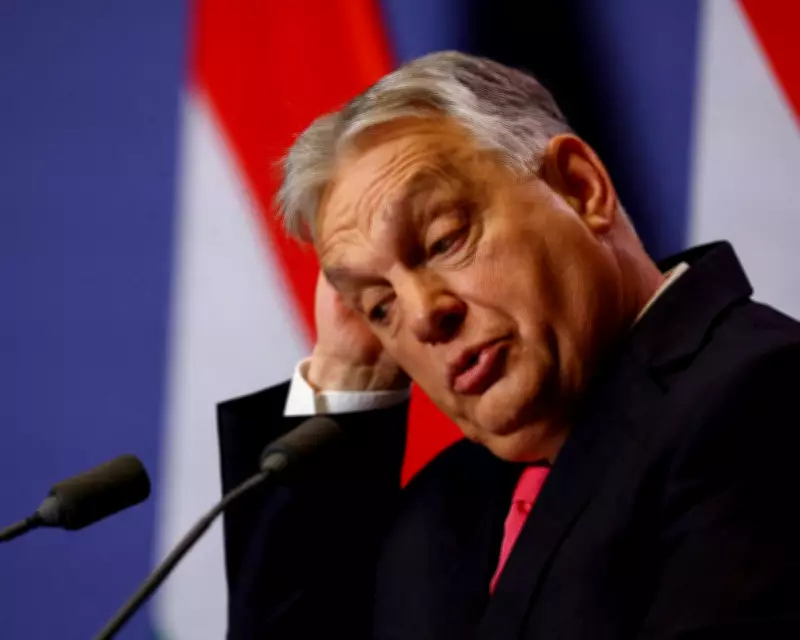
The European Commission's decision to unfreeze billions of euros in funding for Hungary has been sharply criticized by the top legal adviser to the EU's highest court. Advocate General Tamara Ćapeta of the European Court of Justice stated on Thursday that the commission should not have released approximately €10 billion to Hungary because the country had not properly implemented the required judicial reforms.
Suspension and Controversial Release of Funds
In 2022, the European Commission suspended payments to the government of Prime Minister Viktor Orbán due to serious concerns about democratic backsliding, corruption, and threats to judicial independence. The commission argued that Hungary was failing to tackle these critical rule-of-law issues effectively.
A year later, in 2023, the commission concluded that Hungary had made sufficient changes to meet the conditions for releasing the funds. This decision lifted the suspension, making Hungary eligible to receive about €10 billion from various EU funds. However, this move has been widely questioned.

Political Motivations and Legal Challenges
The European Parliament filed a formal complaint in 2024, alleging that the commission made "manifest errors" in its assessment. Some Members of the European Parliament (MEPs) have suggested that the timing of the decision was politically motivated, as it occurred just before a key EU summit where Orbán's support was needed for aid to Ukraine.
Ćapeta emphasized that the commission failed to properly evaluate Hungary's judicial reforms and incorrectly applied the requirements for disbursing the budget. She noted a lack of transparency in the decision-making process, stating, "The commission may not disburse EU funds to a member state until the required legislative reforms are in force and are effectively being applied."
Implications and Broader Context
While the advocate general's opinions are not legally binding, they are often followed by the court's judges, who are expected to deliver a final ruling in the coming months. If the court sides with the parliament, the commission may be forced to recoup the funds by reducing future payments to Hungary, setting a significant precedent for rule-of-law cases within the EU.
Billions in additional EU funding remain suspended for Hungary, leading Orbán to regularly accuse the commission of interference and using financial payments as a tool of coercion. This legal battle unfolds as Orbán faces a major political challenge in April from centre-right challenger Péter Magyar and his Tisza party, who promise to restore the rule of law and improve relations with the EU.