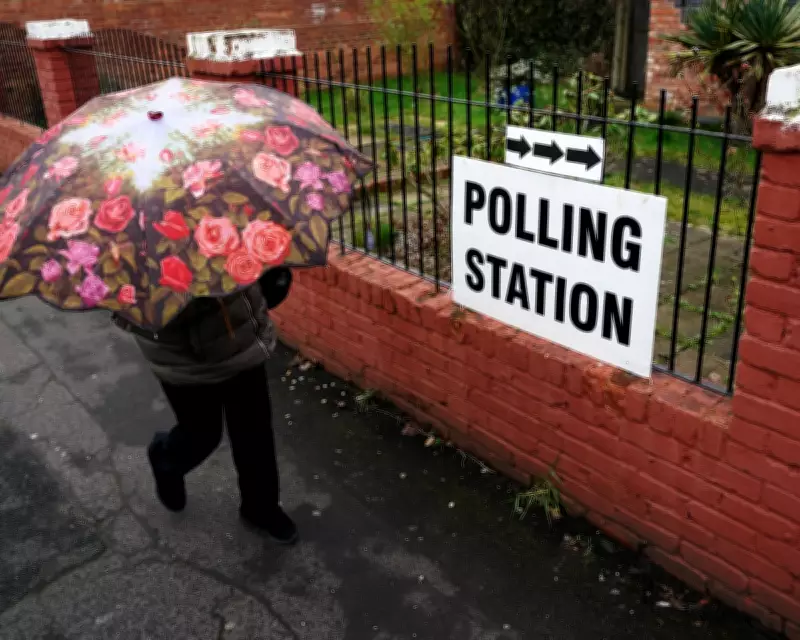
Electoral Reform Debate: Is Proportional Representation True Democracy?
In a heated discussion on electoral systems, critics highlight that a majority of voters in a constituency can end up unrepresented under the first-past-the-post (FPTP) method. This was starkly illustrated in the Gorton and Denton byelection, where six in ten votes did not translate into representation, sparking renewed calls for proportional representation (PR) as a fairer alternative.
Flaws in First-Past-the-Post System
Under FPTP, the candidate with the most votes wins the seat, even without securing a majority. This often leads to tactical voting, where supporters opt for the "least worst" option rather than their preferred choice. In the Gorton and Denton byelection, much of the campaign centered on identifying the "anti-Reform" candidate, diverting focus from genuine representation. Critics argue this system distorts democracy by prioritizing strategic voting over voter intent.
Proportional Representation: A More Reflective Model
Proponents of PR contend that it ensures representation aligns with how people actually vote, reducing the risk of unrepresented majorities. While some warn that PR could empower fringe parties or lead to unstable coalitions, Britain has experienced similar issues under FPTP, such as the Liberal Democrats' broken promises in 2010 and the Democratic Unionist Party's kingmaker role in 2017. PR, however, starts from a basis of accurate voter reflection, potentially mitigating such extremes.

International Perspectives and Lessons
The debate extends beyond Britain, with France's two-round system offering insights. Although France does not use PR, its electoral method has prevented extremist parties from gaining power on minority votes by encouraging cooperation among progressive groups. In Germany, the Free Democrats' prolonged influence under PR raises concerns about small parties wielding disproportionate power. Yet, under FPTP, parties like Reform UK could theoretically win 48% of seats with just 27% of the vote, highlighting systemic flaws.
The Core of Democratic Rule
Ultimately, the central question is whether voting systems should reflect the will of the people or perpetuate structural biases. PR advocates argue it fosters a healthier democracy by accommodating multiple parties and encouraging compromise, though it does not eliminate dishonest politicians. As the discussion evolves, the need for electoral reform remains pressing to ensure true rule by the people, not by an outdated system.