Human Rights Watchdog Faces Internal Crisis Over Gender Guidance
The UK's human rights watchdog is experiencing significant internal disruption as a prolonged stalemate over official guidance on single-sex spaces continues to divert attention from other pressing matters, including the concerning rise of far-right activity. Insiders at the Equality and Human Rights Commission (EHRC) have revealed that staff are growing increasingly frustrated, with some described as 'desperate for regime change' ahead of a major leadership transition.
Leadership Transition and Board Vacancies
The commission is currently awaiting approval from UK ministers for its crucial guidance on how organisations should implement April's Supreme Court ruling, which defined the legal meaning of a woman as based on biological sex. This guidance, expected to reflect interim advice restricting transgender access to single-sex facilities, has faced criticism from trans rights campaigners and some within the EHRC itself for being overly literal.
The current chair, Lady Kishwer Falkner, who will conclude her term on 30 November, has expressed frustration at the ministerial delays. However, Equalities Minister Bridget Phillipson has defended the process, stating the government is 'taking the time to get this right' and must consider the final draft thoroughly.

This impasse coincides with a period of significant change within the EHRC's leadership. The government is advertising for up to four new commissioners to join the incoming chair, Mary-Ann Stephenson, who takes up her post in December. The commission, which requires between 10 and 15 commissioners by law, currently operates with just eight, most appointed under the previous Conservative government. Deputy chair and Scotland commissioner Lesley Sawers and commissioner Joanne Cash will also finish their terms on 30 November.
Broader Concerns and Calls for Change
Labour backbenchers and equalities experts view these appointments as a critical opportunity to broaden the EHRC's perspective. There are active calls for the appointment of the watchdog's first trans commissioner to ensure a more balanced approach. One Labour MP stated that during meetings with the current board, they felt a strong lack of understanding regarding the ruling's impact on the trans community.
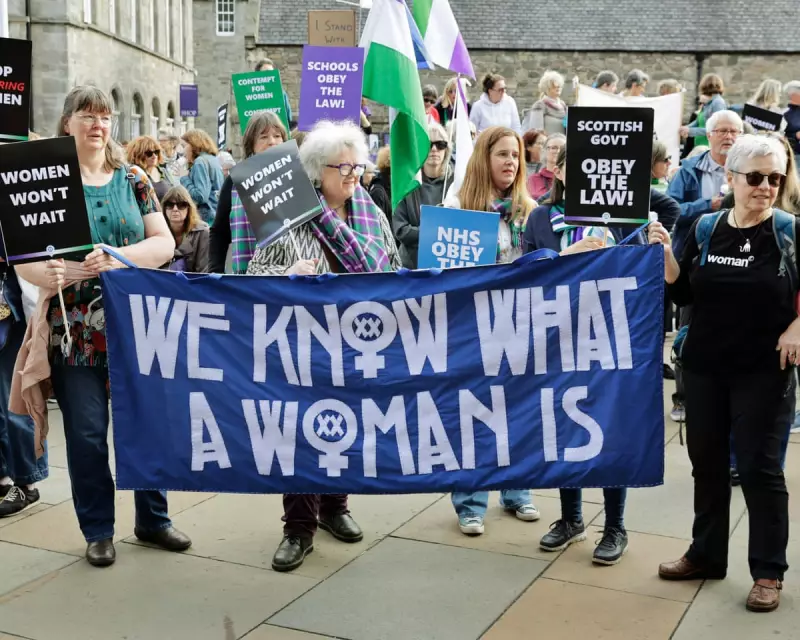
Meanwhile, the campaign group For Women Scotland, which brought the original case leading to the Supreme Court judgment, warned that the ongoing debates are obscuring the fundamental point that the law stands irrespective of any guidance. A spokesperson for the group urged the minister to stop prevaricating, especially during the 16 days of activism against gender-based violence, emphasising women's rights to dignity, privacy, and safety.
An EHRC spokesperson affirmed that appointments are made through the standard public process, stating: 'Our commissioners come from all walks of life... This diversity helps us make impartial and independent decisions, and ensures we continue to uphold the rights of all people in Britain, including trans people.'