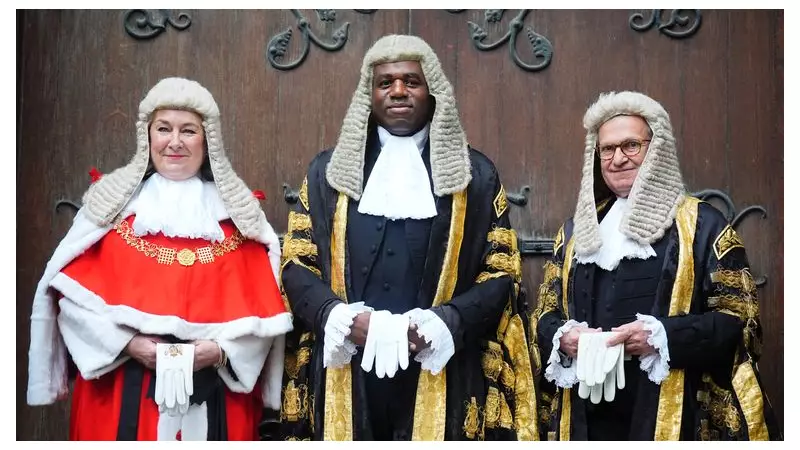
The Ministry of Justice has launched a significant national campaign to recruit thousands of new volunteer magistrates, aiming to address the substantial backlog in the courts system and accelerate access to justice.
A Major Push for Volunteer Justices
Justice Secretary and Deputy Prime Minister David Lammy announced the drive, which targets bringing in 2,000 new magistrates over the next financial year. This follows the training of a similar number since 2022. The initiative is a central part of the government's strategy to manage the caseload in magistrates' courts across England and Wales.
In a statement, Mr Lammy emphasised the critical role magistrates play, describing them as "everyday heroes." He called for people from all ages and backgrounds to consider volunteering, stating it offers a chance to "deliver justice" and "serve and represent their local communities."

What Does Being a Magistrate Involve?
Magistrates, also known as Justices of the Peace, are volunteer judicial officers who handle a wide variety of cases. The role requires a commitment of at least 13 days per year. The judiciary is seeking individuals with strong communication skills, a sense of fairness, and the ability to consider different perspectives.
New recruits will work across criminal, youth, and family proceedings, supported by legally qualified advisers. According to the latest MoJ diversity statistics, 57% of magistrates are female and 14% come from an ethnic minority background, rising to 31% in London.
Reforms and Political Reaction
This recruitment effort follows a series of controversial court reforms proposed by Mr Lammy last month. Key changes include increasing magistrates' sentencing powers from 12 to 18 months' imprisonment, allowing them to handle more serious offences.
The most contentious proposal is to remove the right to a jury trial for defendants facing a maximum sentence of three years or less. This has sparked opposition from across the political spectrum, including from 38 Labour MPs who signed a letter to the Prime Minister criticising the plan as an "ineffective way" to tackle the backlog.
While the Magistrates' Association welcomed the recruitment drive as a "big vote of confidence," it also highlighted the need for more resources, including sufficient legal advisers and repairs to court buildings. Shadow justice minister Kieran Mullan criticised the government, saying recruiting magistrates "cannot paper over the failings" of a justice system in need of meaningful reform and labelling the jury trial plans as "reckless."
The success of this large-scale recruitment campaign will be closely watched, as the government seeks to balance clearing court delays with maintaining public confidence in the justice system.