Alcoa Hit with $55 Million Penalty for Illegal Forest Clearing in Western Australia
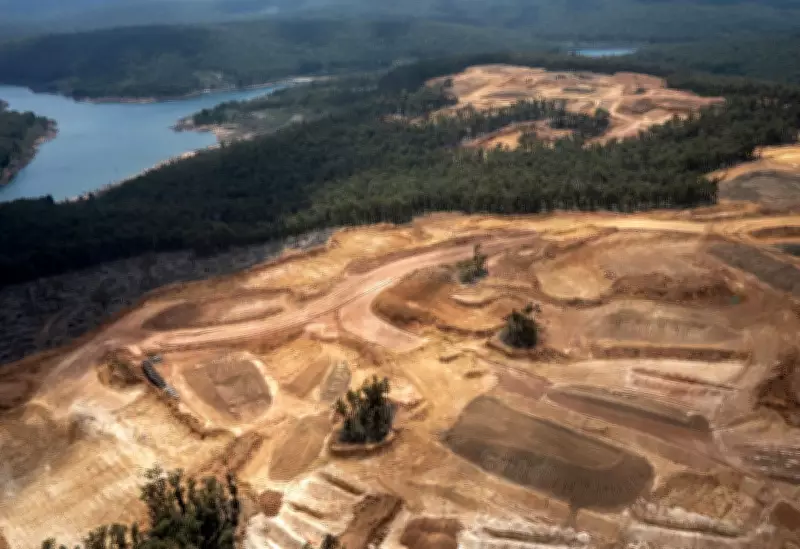
The US mining giant Alcoa has agreed to a substantial $55 million penalty for unlawfully clearing land in Western Australia's jarrah forests over a 15-year period. However, in a controversial move, the company has been granted an exemption to continue clearing further forest areas, a decision partly influenced by a critical minerals agreement between Australia and the United States.
Details of the Unlawful Clearing and Penalty
According to newly revealed documents, Alcoa engaged in illegal land clearing for its bauxite mining operations south of Perth from 2011 onwards, despite repeated warnings from the federal environment department. Environment Minister Murray Watt announced the $55 million penalty, described as "unprecedented," which covers clearing activities from 2019 to 2025 that occurred without proper approvals under the Environment Protection and Biodiversity Conservation (EPBC) Act. This penalty applies only to a six-year segment of the total illegal clearing period, sparking outrage among conservationists.
Exemption Granted Amid National Interest Concerns
Minister Watt granted Alcoa a national interest exemption, allowing the company to clear additional forest for 18 months while the government reviews proposals to expand mining operations until 2045. The exemption was justified based on Alcoa's involvement in a critical minerals deal with the US, which includes supplying gallium for defense and renewable energy sectors. Watt emphasized that this exemption reinforces confidence in Australia's commitment to the project, though it does not override environmental laws.
Conservationists Express Outrage
Conservation groups have condemned the decision, labeling it as prioritizing corporate and foreign interests over environmental protection. Matt Roberts of the Conservation Council of WA called the illegal clearing "outrageous," while Georgina Woods of Lock the Gate described the exemption as "disgraceful" and "staggering." They argue that the move sacrifices biodiversity hotspots and endangered species, such as Carnaby's and Baudin's black cockatoos, for mining gains.
Historical Context and Legal Disputes
The documents reveal a long-standing dispute between Alcoa and the environment department regarding exemptions under the EPBC Act. Alcoa had operated under "continuous use" exemptions since before the act's 2000 commencement, but the department contended that clearing since 2011 required approvals. Recent amendments to the EPBC Act have tightened these exemptions, prompting Alcoa to seek a national interest exemption to avoid operational disruptions.
Implications for Jobs and Critical Minerals
Watt defended the exemption, stating it supports the viability of the gallium project, backed by US and Japanese governments, and sustains approximately 6,000 jobs. He noted it aids Australia's efforts to diversify critical minerals supply for net-zero transitions and defense materials. An Alcoa spokesperson highlighted that the exemption allows modernization of approvals and investment in conservation programs for the Northern Jarrah Forest.
Government Response and Future Outlook
The environment department acknowledged limitations in the regulatory framework that delayed enforcement but emphasized that recent reforms aim to prevent future non-compliance. Watt declined to answer specific questions, directing attention to increased compliance efforts under the current government. This case underscores ongoing tensions between economic interests and environmental conservation in Australia's mining sector.