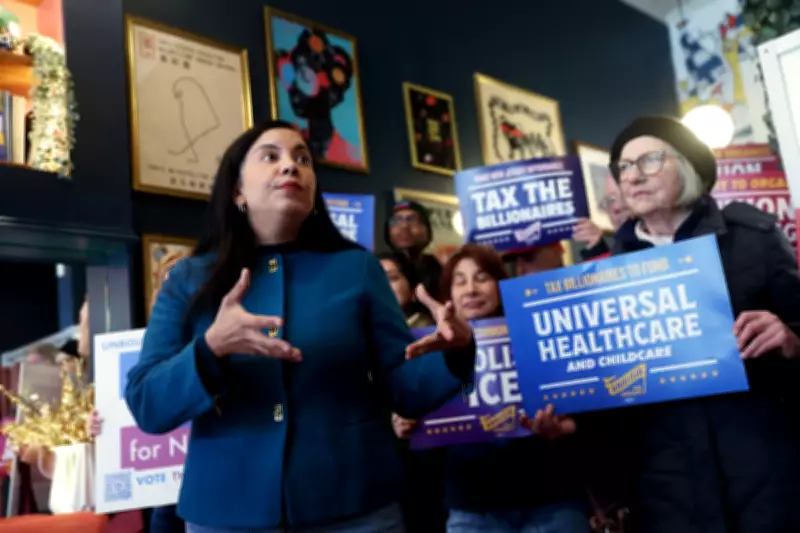
In the lead-up to the 2026 midterm elections, the Democratic Party is embroiled in a series of critical primary contests that are exposing deep-seated divisions within its ranks. These internal battles are not merely about selecting candidates but are reflective of broader ideological clashes over policy priorities, leadership styles, and strategic approaches to governance. As voters prepare to head to the polls, the outcomes of these primaries are poised to have significant implications for the party's cohesion and its ability to mount a strong challenge in the general elections.
Key Races Highlight Party Tensions
Several high-profile primary races are serving as flashpoints for Democratic infighting. In swing districts and traditionally blue strongholds alike, incumbents are facing challenges from progressive insurgents who advocate for more aggressive policy reforms, such as expanded healthcare access, climate action, and economic equality. Conversely, moderate Democrats are emphasizing pragmatic governance and bipartisan cooperation, arguing that this approach is essential for winning over independent and swing voters. This ideological tug-of-war is creating a volatile political landscape where every primary vote is scrutinized for its potential to reshape the party's identity.
Impact on Electoral Strategy
The results of these primaries will directly influence the Democratic Party's electoral strategy for the midterms. If progressive candidates prevail, the party may shift towards a more left-leaning platform, potentially energizing its base but risking alienation of centrist voters. On the other hand, victories by moderate candidates could signal a return to more traditional, consensus-driven politics, which might appeal to a broader electorate but could dampen enthusiasm among grassroots activists. Party leaders are closely monitoring these races to adjust campaign messaging, resource allocation, and coalition-building efforts accordingly.

Moreover, the primary battles are occurring against a backdrop of national political dynamics, including economic concerns, social issues, and the legacy of previous administrations. Democrats are grappling with how to balance internal unity with external pressures, as they seek to present a cohesive front to voters. The stakes are high, with control of Congress and key state offices hanging in the balance, making these primaries a crucial testing ground for the party's resilience and adaptability.
Broader Implications for Party Future
Beyond the immediate electoral consequences, the 2026 midterm primaries are likely to have lasting effects on the Democratic Party's structure and direction. Successes or failures in these contests could determine the influence of various factions, from progressive movements to establishment figures, shaping policy agendas and leadership roles for years to come. Additionally, the primaries are serving as a barometer for voter sentiment, offering insights into which issues resonate most with the electorate, from healthcare and education to climate change and immigration.
As the primary season unfolds, Democrats are navigating a complex web of local and national factors, with each race adding a new layer to the party's evolving narrative. The outcomes will not only decide who represents the party in the fall but also set the tone for future political battles, highlighting the ongoing struggle to define what it means to be a Democrat in a rapidly changing political environment.