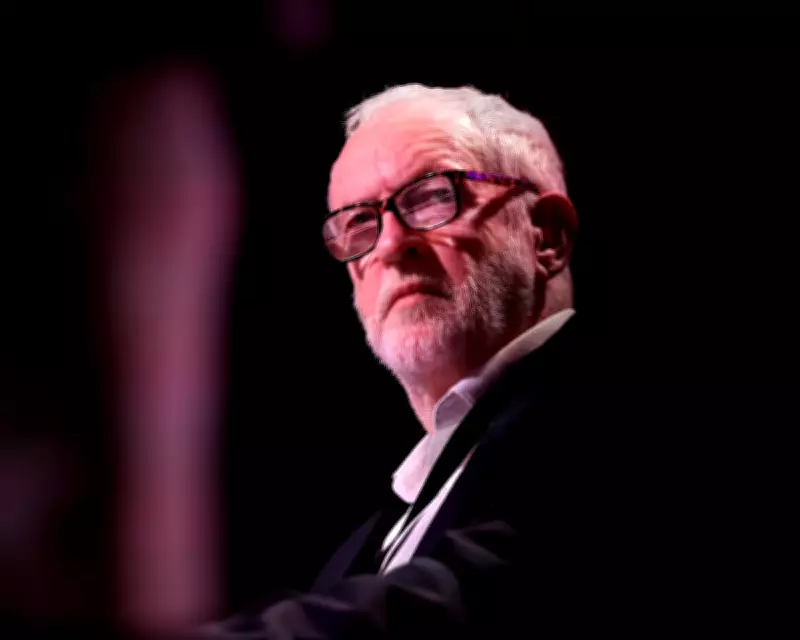
Jeremy Corbyn, the former Labour leader, has shared his perspective on the recent turmoil surrounding Keir Starmer, drawing parallels to his own experience in 2016 when colleagues attempted to oust him. In an interview, Corbyn expressed sympathy for Starmer, describing the personal toll of such a political crisis. "On a personal level it must be devastating. It is a horrible feeling," Corbyn said, recalling the betrayal and loss of trust that accompanies a party coup.
The 2016 Coup: A Personal Ordeal
Corbyn detailed the events of June 25, 2016, when news of a mass resignation plot by his shadow cabinet broke. He confronted Hilary Benn, then shadow foreign secretary, who confirmed the plot, leading to Benn's dismissal. Over the following days, Corbyn received 21 resignations from his shadow team, many delivered bluntly. He described taking calls while at his allotment, jokingly labeling resignations as "the potato rebel" or "beetroot rebel." A parliamentary Labour party meeting turned into "an hour of abuse," with colleagues demanding he step down. Despite a no-confidence vote of 172 to 40, Corbyn refused to resign, citing his mandate from party members.
Support from Family and Allies
Corbyn credited his wife, Laura Alvarez, and his family for their unwavering support. He noted that Alvarez, who is from Mexico, viewed the coup as a sign of British corruption, while his ex-wife from Chile likened it to coups she had witnessed. Union leader Len McCluskey urged him to fight, reinforcing his resolve. Corbyn ultimately defeated challenger Owen Smith with 61.8% of the membership vote.

Advice for Starmer
On Starmer's current predicament, Corbyn advised against retreating into a bunker. "There's a temptation to go into the bunker because you're always full of advisers," he said. He urged Starmer to act instinctively and be true to himself, even if it leads to trouble later. Corbyn suggested that Starmer's low-profile approach might be counterproductive.
Leadership Contenders
When asked about potential successors, Corbyn dismissed all three main contenders: Wes Streeting, Andy Burnham, and Angela Rayner. He criticized Streeting for contracts with Palantir and NHS privatization, expressed doubts about Burnham's chances in a by-election, and questioned Rayner's policy direction. "I wouldn't vote for any of them," Corbyn said, though he later clarified he would always vote, applying tests on the economy, anti-racism, peace, and the environment.
Reflections on Politics
Corbyn concluded that the personal and political are inseparable, a lesson from his own experience. He emphasized the need to prioritize welfare, education, and housing over warfare and arms spending. Despite the ordeal, he remains committed to voting and advocating for progressive policies.