Charity Demands UK Ban on Kanye West Over Antisemitic Remarks for Wireless Festival
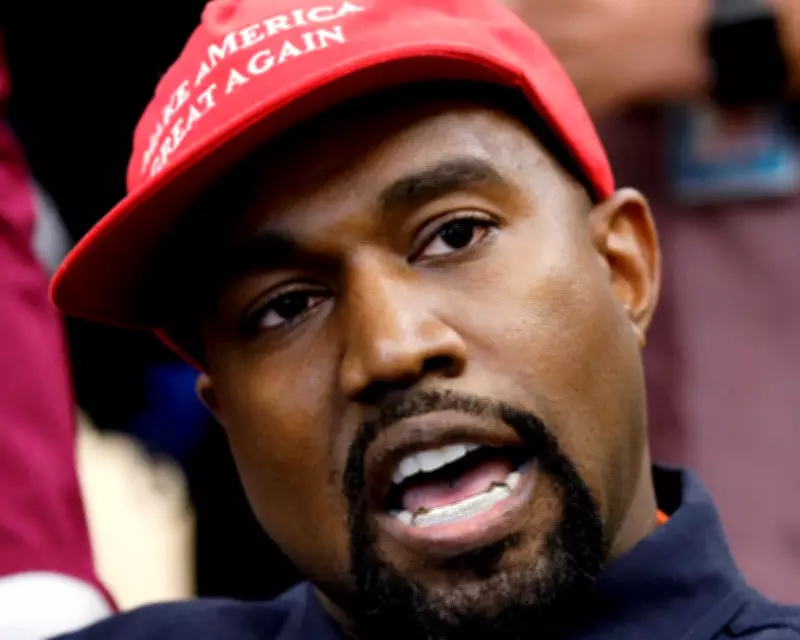
The Campaign Against Antisemitism has issued a strong call for Kanye West to be banned from entering the United Kingdom to perform at the upcoming Wireless festival, citing a series of deeply concerning antisemitic remarks made by the rapper, including expressions of admiration for Adolf Hitler. This Jewish charity has joined a growing chorus of voices urging the cancellation of West's scheduled headline act at the festival, which is set to take place in London's Finsbury Park this July, raising significant doubts about whether the event will proceed as planned.
Political and Public Outcry Intensifies
Keir Starmer, the leader of the Labour Party, has voiced his criticism over the weekend, describing it as "deeply concerning" that West was booked to perform despite his history of antisemitic comments and celebration of Nazism. In a post on X, the Campaign Against Antisemitism emphasized that while the prime minister is right to be concerned, he is not a bystander and has the authority to ban individuals from entering the UK if their presence is deemed not conducive to the public good. The charity argues that West's case clearly meets this criterion, given his recent actions, such as releasing a song titled 'Heil Hitler' less than a year ago.
On Monday, Conservative MP Chris Philip wrote to Shabana Mahmood, urging her to prevent West from traveling to the UK. Additionally, major sponsors like Pepsi and Diageo have withdrawn their support for the festival in response to West's announcement as the headline act for all three nights, although their logos remain visible on the official website. PayPal, a payment partner for the hip-hop festival, has also decided to remove itself from future promotional materials, as reported by the Press Association.

Background of Controversy and Apology
Kanye West, also known as Ye, has not performed in the UK since headlining Glastonbury in 2015. He has faced widespread criticism for multiple antisemitic statements, including voicing admiration for Hitler and advertising a swastika T-shirt on his website. In January, West took out a full-page advert in the Wall Street Journal titled "To those I've hurt," in which he stated, "I am not a Nazi or an antisemite. I love Jewish people." He attributed his behavior to a four-month-long manic episode related to his bipolar disorder, which he said led to psychotic, paranoid, and impulsive actions that devastated his life.
Other political figures have joined the call for action. Liberal Democrat leader Ed Davey has urged the government to ban West from entering the UK, emphasizing the need for tougher measures against antisemitism. Labour MP Rachael Maskell, speaking on BBC Radio 4's Today programme, argued that West should not be given a platform and should be barred from the country. Phil Rosenberg, president of the Board of Deputies of British Jews, labeled the booking a "wrong decision" and called on the government to consider banning West, with similar condemnations from the Jewish Leadership Council and the Community Security Trust.
Rising Antisemitism in the UK Context
West's scheduled appearance comes amid a troubling increase in antisemitic incidents across the UK. In March, four ambulances from a Jewish community-run service were set on fire in Golders Green, north-west London, and in October last year, two men were killed in an attack on a synagogue in Manchester. These events highlight the urgent need to address hate crimes and ensure public safety, adding weight to the calls for preventing West's entry.
The Home Office and Wireless festival organizers have been approached for comment but have not yet responded. As the debate continues, the future of the festival hangs in the balance, with many questioning the appropriateness of providing a platform to an individual with such a controversial history.