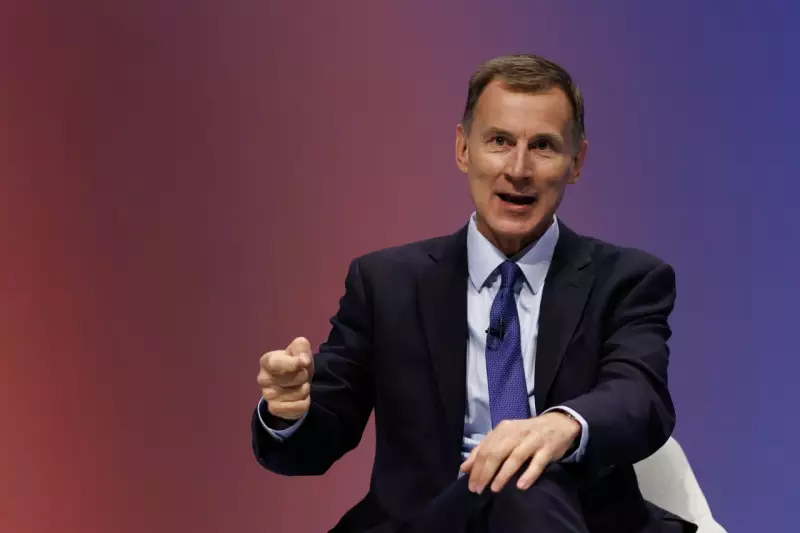
Chancellor of the Exchequer Jeremy Hunt has declared a significant personal income from engagements with the financial sector, just weeks before delivering the Autumn Statement. According to the latest update to the Register of Ministers' Interests, Mr. Hunt received more than £50,000 for two separate speeches delivered in the space of a single week.
Details of the Lucrative Engagements
The entries reveal that the Chancellor was paid a fee of £31,250 for an address given to the Investment Association on the 24th of October. This substantial sum was followed by a further £20,000 earned for a speech to the global investment management firm BlackRock on the 30th of October.
These payments were made to Mr. Hunt in a personal capacity, separate from his official duties. The register notes that the fees were donated to charity, a move that is in line with the Ministerial Code. However, the timing and the source of the income have drawn scrutiny, given the Chancellor's pivotal role in shaping financial regulation and economic policy.

Context and Political Scrutiny
The disclosures come at a sensitive political moment. Mr. Hunt presented the government's Autumn Statement on the 22nd of November, outlining tax and spending plans that directly impact the City of London and the wider financial services industry. The speeches to the Investment Association—a major trade body for UK investment managers—and to BlackRock, one of the world's most powerful asset managers, occurred in the immediate run-up to this key fiscal event.
While there is no suggestion of wrongdoing, and all rules appear to have been followed, such high-value earnings from the finance sector inevitably prompt questions about perceptions of influence and access. Transparency campaigners often argue that even when payments are gifted to charity, the act of accepting large fees from industries a minister oversees can create complex ethical dynamics.
Broader Implications and the Register of Interests
This incident highlights the ongoing focus on the outside interests and earnings of senior political figures. The Register of Ministers' Interests is designed to provide public transparency, allowing voters to see potential conflicts between a minister's private income and their public responsibilities.
For Jeremy Hunt, a wealthy individual with a career in business prior to politics, such outside earnings are not uncommon. The key safeguards are the declaration of the income and the subsequent donation to charity, which aims to remove any personal financial benefit. Nevertheless, the scale and speed of the earnings—over £50,000 accrued in just six days—serve as a stark reminder of the substantial sums available to high-profile ministers on the speaking circuit.
The episode is likely to fuel broader debates about the revolving door between politics, finance, and the rules governing second jobs and external interests for those in high office.