
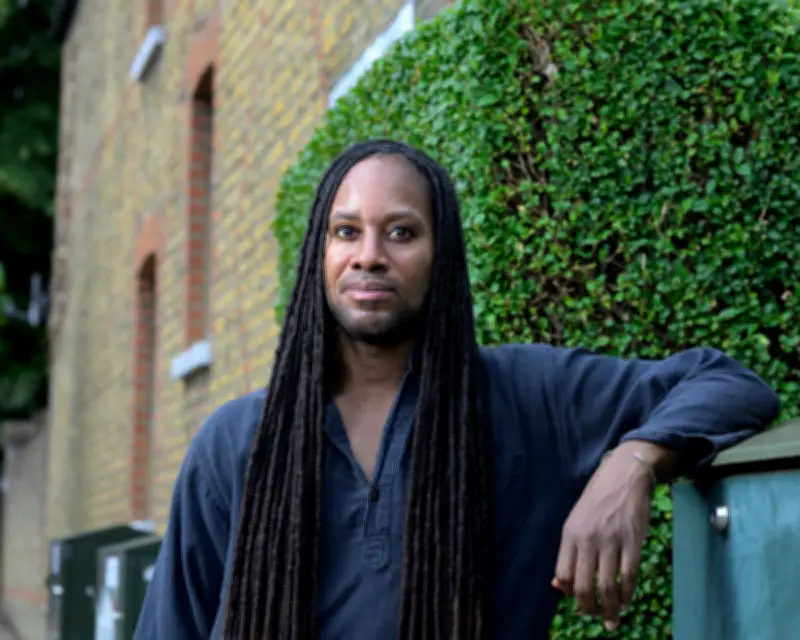
The resignation of Jason Arday from the University of Cambridge on Wednesday brought some closure, but the controversy surrounding his promotion to professor at age 37 continues. Academic colleagues have rightly demanded that an investigation into his 2023 appointment to the faculty of education and its aftermath include external members. Allegations of plagiarism and disputed claims about his background, career, and charity fundraising remain under scrutiny. His memoir, promoted as a story of overcoming adversity, including an early autism diagnosis, and for which he reportedly received a substantial advance, is due out later this month. His publisher, Simon & Schuster, should delay publication until inquiries conclude.
University's failure to conduct due diligence
Several facts are already evident. By failing to vet Arday before announcing him with fanfare as Cambridge's youngest-ever black professor, and through its inadequate response to subsequent challenges, the university has done a serious disservice to black and neurodivergent scholars. It has also set back the work of many individuals and groups who have long strived to increase representation of underrepresented groups in influential positions.
Such imbalances, still pronounced in many areas of public life, including academia, stem from prejudices, discrimination, and unequal access to resources and opportunities. The delight some right-wing figures have taken in Arday's downfall is not just about exposing him or the liberal angst it provokes. It reflects a desire to stoke grievance among white supporters and discredit diversity initiatives across the board.
Resisting efforts to discredit equity policies
Efforts to undermine policies supporting autistic people and ethnic minorities must be strenuously resisted. With hindsight, it is extraordinary that Arday's remarkable life story was not examined more closely earlier. He was wrong to report Times Higher Education journalist Jack Grove to the police over emailed queries. But Arday is an individual; while lessons must be learned from his hasty rise, the answer is not to abandon equity as a goal.
The scandal comes at a particularly bad time. Right-wing parties continue to make hostility to migrants a core part of their appeal and will exploit this as an example of 'Black Lives Matter gone mad.' However, consequences within academia must also be taken seriously. Universities face massive strain from funding shortfalls, worsened by new limits and levies on international students. Some are at risk of bankruptcy, and the reputational damage from this scandal will only exacerbate the situation.
Impact on sociology and less privileged universities
The discipline of sociology, already targeted by intellectual conservatives who dislike its radical roots, may suffer further as its standards are questioned. Cambridge colleges will be relatively insulated from such collateral damage, which is likely to hit less wealthy universities with less privileged intakes hardest. This is a grim irony and should prompt serious self-reflection by an elite institution that should have known better than to be so careless.




