Archbishop of Canterbury Delivers Presidential Address Amid Historic Synod Vote
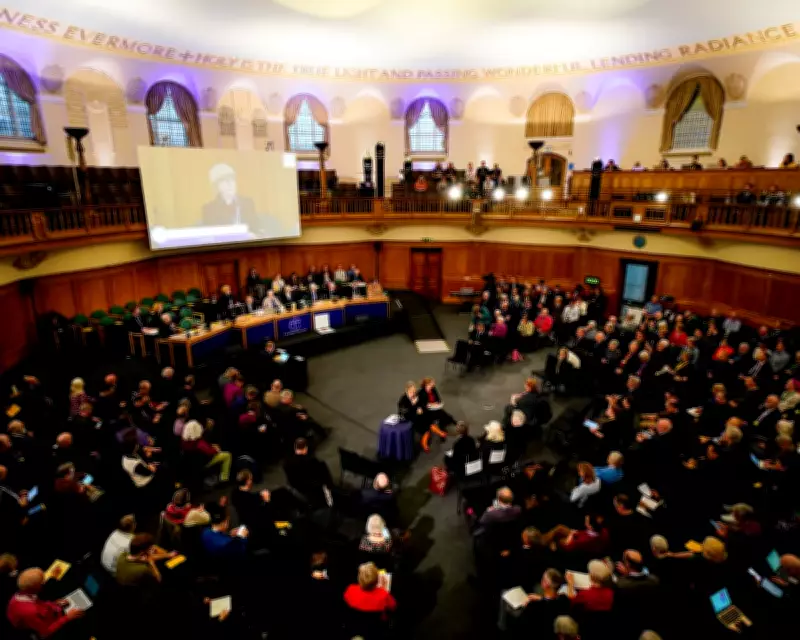
The Archbishop of Canterbury, Dame Sarah Mullally, has delivered her first presidential address at the Church of England's General Synod, setting the stage for a landmark debate on equal marriages. This address comes as the Synod votes to remove restrictions on using prayers for same-sex blessings in standalone services, a decision that follows decades of bitter arguments between conservative and liberal factions threatening to split the Anglican communion.
A Timeline of Bitter Divisions Over LGBTQ+ Rights
The latest General Synod debate on equal marriages is the culmination of a long and contentious history within the Church of England. Since the late 1970s, the issue has repeatedly surfaced, exposing deep theological and social rifts.
In 1979, the Gloucester report acknowledged that individuals might justly choose homosexual relationships, but it was deemed too radical and shelved. By 1987, the Synod passed the Higton motion, calling for repentance for homosexual acts, though a harsher version was rejected. The 1988 Lambeth conference highlighted unresolved divisions, and in 1991, the house of bishops' report praised celibate gay Christians but did not equate homosexuality with heterosexuality.

Key Milestones in the Struggle for Inclusion
The debate intensified in the 2000s. In 1998, the Lambeth conference upheld traditional marriage and rejected homosexual practice, prompting 150 bishops to pledge for LGBTQ+ inclusion. The diocese of New Westminster in Canada became the first to bless same-sex unions in 2002.
Controversial appointments further fueled tensions. In 2003, Jeffrey John, a gay priest, withdrew as bishop of Reading under conservative pressure, while Gene Robinson's appointment as bishop of New Hampshire led some conservatives to form breakaway denominations. The legalization of civil partnerships in 2005 and same-sex marriage in 2014 forced the C of E to respond, with clergy facing celibacy pledges and bans on same-sex unions.
Recent Developments and the 2024 Synod Vote
In 2020, the Church affirmed that sex belongs only in heterosexual marriage, seen as caving to conservative pressure. By 2023, a compromise proposed blessings for same-sex couples on a trial basis, but standalone services were withheld. However, in July 2024, the Synod voted to allow these services, a move that has prompted the conservative C of E evangelical council to announce plans for a parallel province, signaling ongoing divisions.
This decision represents a significant, though contentious, step in the Church of England's ongoing struggle to balance tradition with inclusivity, as the archbishop's address underscores the challenges of navigating these deep-seated conflicts within the Anglican community.