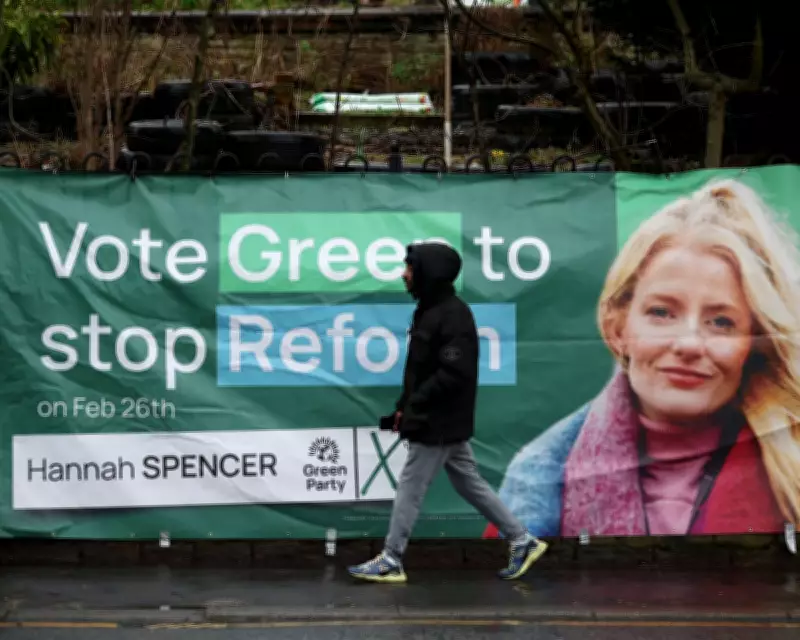
Gorton and Denton Byelection Sparks Debate on UK Voting System
The nail-biting Gorton and Denton byelection in Manchester has laid bare the deep-seated cracks in Britain's first past the post voting system. This contest, which Labour would typically win with ease, transformed into a tense three-way race involving Reform UK and the Greens, serving as a stark metaphor for the collapse of traditional political certainties.
For voters primarily motivated by keeping Reform's Matt Goodwin out of Manchester, the convoluted process of calculating votes by second-guessing others' intentions, while fearing unintended consequences, did not feel like democracy at its finest. Unless significant changes occur, millions of Britons could face similar dilemmas in the next general election, particularly in seats where shifting dynamics since 2024 blur the lines between "Stop Farage" candidates and wasted votes.
Critiques of First Past the Post
The Electoral Reform Society argues that this byelection exemplifies everything wrong with first past the post. Campaigns become mired in tactical voting debates rather than focusing on policy platforms, operating within a system designed for a bygone era of two-party dominance. First past the post's winner-takes-all framework prioritizes swift majority government formation and has historically kept extremists at bay in British politics, even as far-right movements surged across Europe.

However, it struggles when both main parties fragment simultaneously, creating a multi-party landscape where candidates can secure victories with alarmingly low vote shares. A recent YouGov model illustrated this flaw, suggesting Reform could theoretically win 48% of Westminster seats on just 27% of the vote, potentially leaving nearly three-quarters of the country governed by a leader they did not support.
The Limits of Electoral Stability
First past the post appears to be reaching its limits in fostering broad political coalitions and stable governments. MPs often remain within their parties to fight internal battles, discouraging breakaways and encouraging compromise. Yet, when differences become irreconcilable, as seen with Brexit on the right, this system may hinder healthier political divorces.
This context has prompted even skeptics of proportional representation to reconsider their stance. After revisiting the issue, many remain unconvinced, arguing that electoral reform does not guarantee an end to tactical voting or political horse-trading. Proportional representation can lead to parliaments that better reflect voter preferences, but it also risks empowering fringe parties as kingmakers or forcing junior coalition partners to abandon promises.
Challenges of Implementing Reform
Advocating for pre-election changes to thwart Reform, as some on the left suggest, could provoke public outrage, resembling an unpopular government manipulating rules to avoid defeat. Instead, critics argue that parties should focus on improving their records rather than altering electoral frameworks.
Nevertheless, the government cannot indefinitely dismiss calls for electoral review. The upcoming second reading of a bill on votes at 16 provides a platform for sympathetic MPs to discuss reform. The all-party parliamentary group for fair elections has proposed a commission to examine options, urging defenders of first past the post to confidently present their case while engaging with opposing arguments.
Ultimately, this byelection underscores a fundamental democratic principle: the necessity of humility and dialogue in addressing electoral imperfections. As political landscapes evolve, so too must the systems that govern them, ensuring they serve the people rather than perpetuate outdated paradigms.