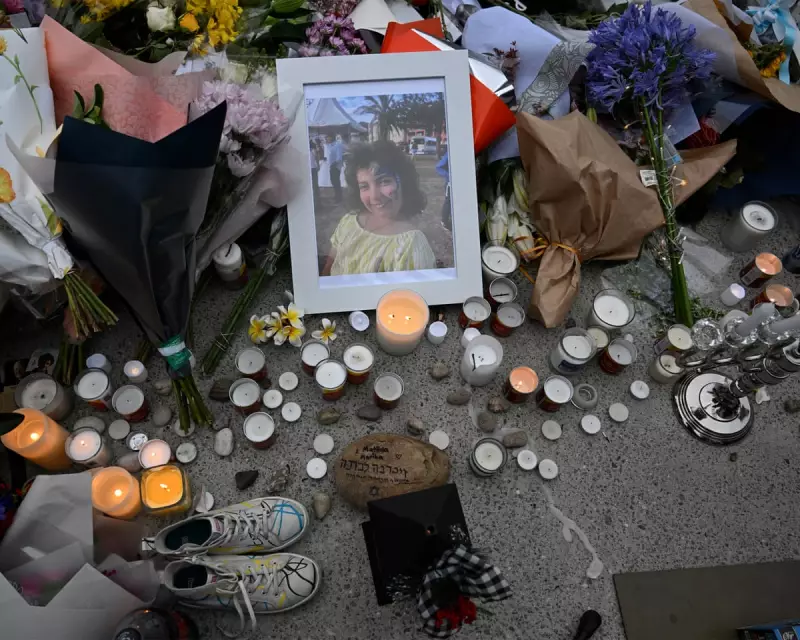
A portrait of 10-year-old Matilda, killed in Sunday’s shooting, was displayed during a vigil at Bondi Pavilion in Sydney, a poignant symbol of the tragic loss from a terror attack targeting Jewish families celebrating Hanukah.
A Failure to Confront Hatred
In a powerful letter, Simon Tedeschi from Newtown argues the Bondi beach terror attack did not occur in a vacuum. He states it followed years where antisemitism, often originating from the left, has been minimised, sanitised, or dismissed as a misunderstanding rather than a genuine threat.
He contends that in Australia, language recognised by Jews as dangerous has been defended as nuance, and antisemitic imagery excused as metaphor. When the Jewish community objects, Tedeschi writes, they are often accused of conflating criticism with hatred, even when the language used would be unacceptable if aimed at any other minority group.

This indulgence, he asserts, has not been politically neutral. It has come disproportionately from progressive institutions that pride themselves on moral seriousness while failing to confront antisemitism within their own ideological camp. Media outlets, he notes, have been quick to police language on the right but reluctant to interrogate how terms like “Zionist” are used as proxies for Jews themselves.
"The result has been predictable," Tedeschi writes. "Warnings were dismissed. Patterns were denied. Violence did not appear suddenly. It arrived in an environment carefully prepared for it." He concludes that if progressive politics cannot confront the antisemitism it tolerates – and sometimes amplifies – then its moral claims are hollow. "Bondi is the cost of that failure," he states.
Grief and a Glimmer of Hope
Another letter, from Dr Eric van Beurden of Lismore Heights, expresses deep sadness over the horrific shooting. His grief is amplified by a broader sorrow for the fracturing of Australia's thrivingly diverse, respectful, and cooperative culture.
He was moved to tears upon hearing that the heroic shopkeeper who disarmed one of the shooters was a local Muslim. "What then opened the floodgates for all my grief," van Beurden writes, "was the pride expressed by members of his Muslim family for his bravery in the face of grave danger."
With xenophobia rising globally, he believes this act of courage and the family's response represent a "glimmer of promise" in an otherwise deeply tragic moment, which should be cherished.
A Plea Against Collective Blame
Jerusha Sandler, writing from Woodbridge, Tasmania, shares her personal experience of being victimised for being Jewish as a child in New Zealand. The Bondi attack triggered frantic calls to Jewish friends in the area and brought back the deep grief she felt during the 2019 Christchurch mosque shootings.
She draws a direct parallel, stating both were acts of grotesque violence against peaceful groups celebrating their beliefs. Drawing from her own experience as a victim of racism, Sandler voices her deepest concern: that people will lose sight of the essential truth that these crimes come from a tiny minority of outsiders, not whole communities.
"I can only hope that Australians remember that the vast majority of Muslims are peaceful too," she pleads. "Fear and hatred must not be turned toward any entire group of people." She concludes that both Muslim and Jewish communities are equally deserving of safety, dignity, and protection.