
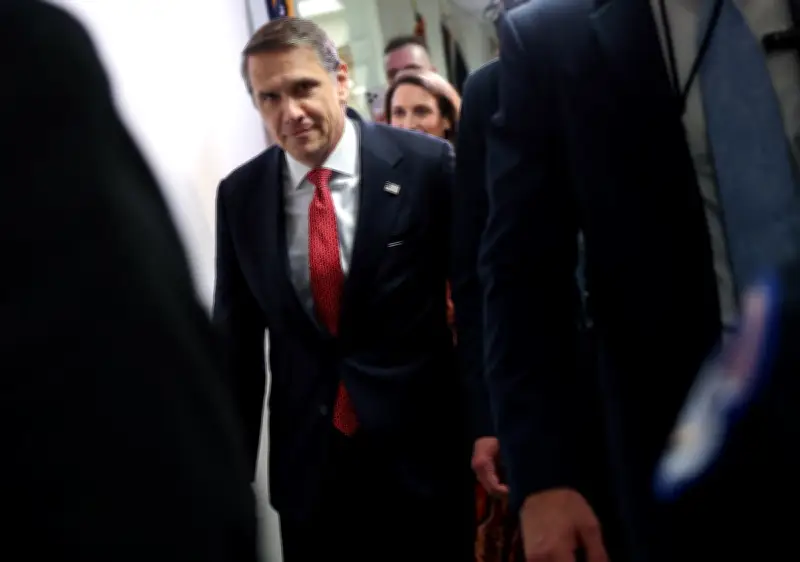
The nomination of Todd Blanche, President Donald Trump's pick for US attorney general, appeared increasingly uncertain on Wednesday after the Department of Justice failed to provide written assurances to a key Republican senator that a $1.8bn settlement fund would be scrapped.
Senate Committee Postpones Vote
The US Senate judiciary committee postponed a vote scheduled for Thursday on advancing Blanche's nomination. A committee spokesperson said in a statement: 'Chairman [Chuck] Grassley works to set President Trump's nominees up for success in committee, not failure. Senators [John] Cornyn and [Thom] Tillis want written assurances from the Department of Justice regarding the Trump-IRS settlement. Tomorrow's markup is postponed as work continues to secure sufficient support in committee to favorably report Attorney General-nominee Todd Blanche, who is highly qualified for the job.'
Blanche, who previously served as Trump's personal lawyer, is currently acting as US attorney general. He requires the support of every Republican on the Senate judiciary panel to secure a permanent appointment.
Cornyn Demands Written Confirmation
Republican Senator John Cornyn of Texas, a swing vote on the committee, told reporters on Wednesday he would not support Blanche's nomination without written confirmation that the fund would not proceed. Cornyn also sought clarity that a provision granting the president, his sons, and related businesses blanket immunity from tax audits for matters up to this year would not apply to future cases or individuals not party to the settlement.
'Maybe they think I'm just going to give up or, you know, go along, but they're mistaken,' Cornyn said. 'We actually sent them a red-line strikeout of what we need, and they just need to make a decision. And if they do, then we'll proceed with the markup tomorrow.'
Background on the Settlement
The controversy stems from a $10bn lawsuit Trump filed against the Internal Revenue Service over the unauthorized leak of his tax returns. The federal government reached a settlement that created a $1.8bn loosely controlled fund to compensate individuals claiming victimization by government weaponization. It also granted Trump, his family, and his businesses blanket immunity from audits for any filings made before the agreement.
The deal drew bipartisan criticism. The Department of Justice did not defend itself against the lawsuit, leading a federal judge to conclude the case was brought with an 'improper purpose.' Under pressure, Blanche announced in June that the department was scrapping the 'anti-weaponization' fund but has repeatedly declined to provide written confirmation. During his confirmation hearing, Blanche acknowledged that Trump or other plaintiffs could attempt to enforce the settlement agreement and did not declare the tax immunity provision invalid.




