London Study Reveals Black People 48 Times More Likely to Face Stop and Search in Wealthiest Areas
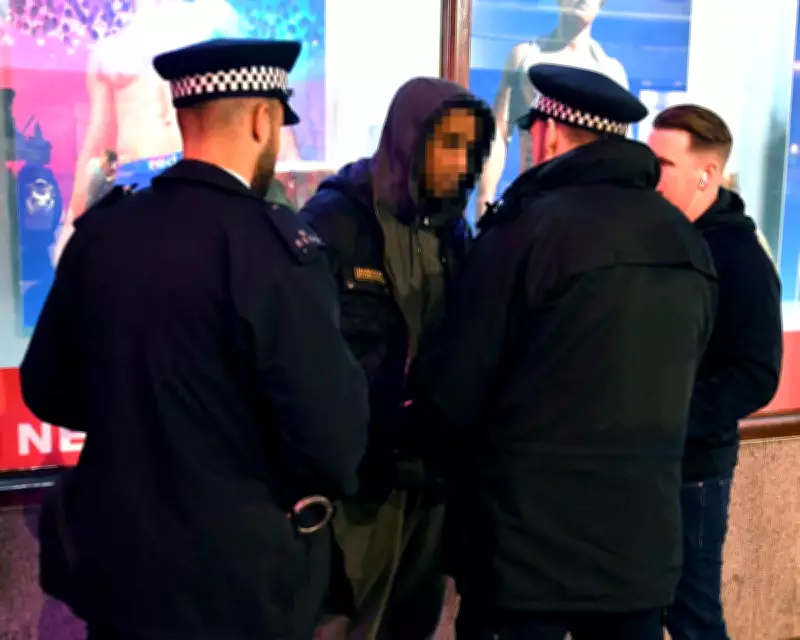
A comprehensive new report commissioned by the London mayor's office has uncovered shocking levels of racial disproportionality in police stop and search practices across the capital. The research, conducted by King's College London, examined more than 150,000 stops carried out in 2023, revealing that black people are up to 48 times more likely than white people to be subjected to this controversial police power in some of London's most affluent neighborhoods.
Extreme Disproportionality in Affluent Districts
The study identified pockets of extreme disproportionality, particularly in wealthy areas where average house prices exceed £1 million. In East Sheen, located within the borough of Richmond-upon-Thames, black people were found to be 48 times more likely to be stopped and searched than white residents. Similarly, in Dulwich Village, black people faced a 40 times greater likelihood of being stopped, despite comprising only 5.6% of the local population.
Across London's 679 council wards, the research revealed that approximately 25 wards showed disproportionality rates 20 times greater for black people, with another 60 wards demonstrating rates at least 10 times higher. In Hampstead Town, a prestigious north London area, black people were 38 times more likely to be stopped than their white counterparts.

Questionable Grounds and Weaker Justifications
The investigation found that police officers frequently provided vague or questionable justifications for stopping black individuals. Examples documented in the study included officers citing that a black person had given a "furtive glance" or exhibited "involuntary actions" as grounds for suspicion. One particularly concerning case on the Strand in central London involved an officer justifying a stop based on a person allegedly looking away after making eye contact, followed by patting their pocket - a stop that ultimately yielded no illegal items.
Dr. Yijing Li, senior lecturer in urban informatics at King's College London, stated: "Our modelling revealed clear evidence of unexplained disproportionality in how stop and search powers are used across London." The research established a direct correlation between the quality of grounds provided for stops and public perceptions of fairness, with weaker justifications significantly damaging community confidence in policing.
Impact on Community Trust and Police Relations
The study's findings highlight a substantial trust gap between different racial groups affected by stop and search practices. While 65% of white individuals who were stopped felt the procedure was fair, only 37% of black people shared this perception. This disparity has profound implications for community-police relations, as those who viewed their stop as unfair showed dramatically lower levels of trust and confidence in the Metropolitan Police.
London Mayor Sadiq Khan responded strongly to the findings, declaring: "This major new research shows significant and unacceptable levels of disproportionality that we must act on. That's why, along with other steps to support and hold the Met to account, I am introducing a mandatory annual report of how stop and search is being used in London."
Police Response and Accountability Measures
The Metropolitan Police acknowledged the research while defending their current practices, stating that stop and search operations have become more focused and effective since 2023. A police spokesperson noted: "More than seven in ten Londoners support stop and search which, when used with precision and accuracy, is one of the most effective tools we have to deter violence and save lives."
The force highlighted several accountability measures implemented in recent years, including independent community scrutiny panels in every London borough and a Stop and Search Charter developed through community consultation. According to the Met, independent inspectors found that 95% of stops met required standards in 2024, representing significant improvement from previous years.

The Home Office described the King's College research as "innovative" and urged the Metropolitan Police to "quickly act on its findings." The study comes amid ongoing national debates about police powers, racial equity, and community relations in urban policing strategies.