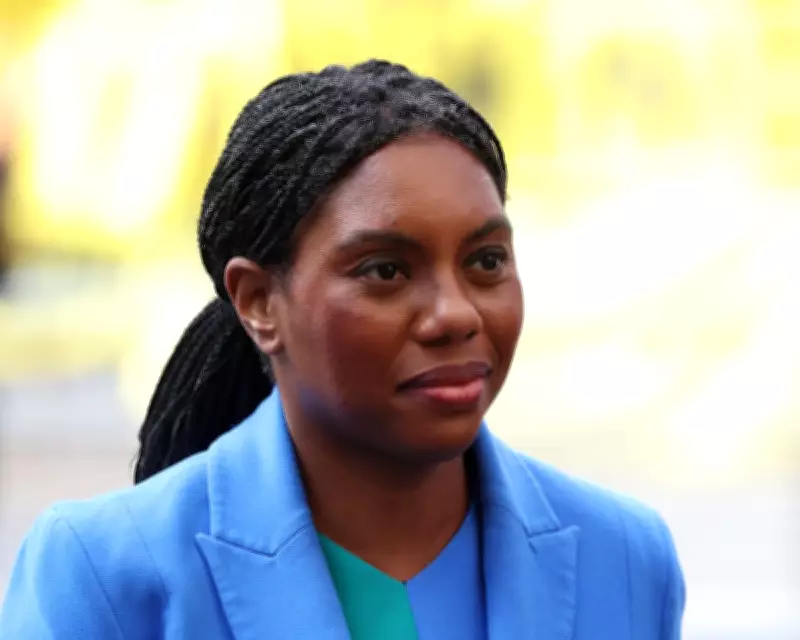
Badenoch Denies Calling for UK to Join US-Israeli Military Action Against Iran
Conservative leader Kemi Badenoch has firmly denied advocating for the United Kingdom to join military strikes against Iran, following accusations from Labour that her position on the conflict appeared contradictory and confusing. The controversy emerged after Badenoch made statements suggesting the UK should take more proactive measures to protect its interests in the region.
Clarifying Statements on BBC Interview
During a BBC interview on Tuesday, Badenoch was directly questioned about whether her position was coherent, given her previous comments about energy bills and military strategy. She responded emphatically, stating she had never called for the UK to join the war but did express support for actions taken by the United States and Israel.
"I said that we support their actions. I never said we should join," Badenoch clarified during the broadcast. "I did say that where British bases are being attacked, we should do more than catch the arrows. We should stop the people who are attacking us. Stop the archer."

Metaphorical Language and Strategic Implications
When pressed to explain her "arrows and archer" metaphor more concretely, Badenoch elaborated on her strategic thinking. She suggested that instead of merely intercepting incoming missiles, the UK should target the launch capabilities themselves to prevent future attacks.
"When missiles are being fired, the launchers which are kept deep underground come out," she explained. "If you take out the capacity, that means that they will stop sending missiles over. So don't just catch the arrows. Stop the archer."
Badenoch emphasized that her position did not involve committing British troops to ground operations in Iran, but rather focused on defensive measures to protect UK military installations and personnel in the region.
Political Context and Labour Criticism
The Labour party has accused Badenoch of presenting a confused and contradictory position on the Iran conflict. They pointed to her previous statement that Keir Starmer should "do more than catch arrows" as evidence of inconsistent messaging.
Badenoch addressed these criticisms directly during her BBC appearance, stating: "The government is trying to muddy the waters and stop criticism. I will not accept that – I'm going to do my job and make sure that they are held to account."
Broader Foreign Policy Alignment
While distancing herself from calls for direct UK military involvement, Badenoch made her geopolitical alignment clear: "I will always be on the side of the US and Israel, not Iran." This statement reflects her broader foreign policy orientation while maintaining a distinction between political support and military engagement.
She reiterated that supporting allies diplomatically and strategically does not necessarily translate to participating in their military operations, particularly when such involvement might not align with the UK's immediate national interests or legal frameworks.
Government Position and Legal Considerations
Downing Street has maintained that while targeting Iranian launch sites could be legally justified as defensive action under international law, the current government has no plans to join such operations beyond allowing US forces to utilize British military bases. This position creates a nuanced distinction between defensive preparedness and offensive engagement that Badenoch's comments appear to navigate.
The controversy highlights the complex balancing act facing UK politicians as they respond to international conflicts while addressing domestic concerns about military involvement, energy security, and diplomatic relationships with key allies.