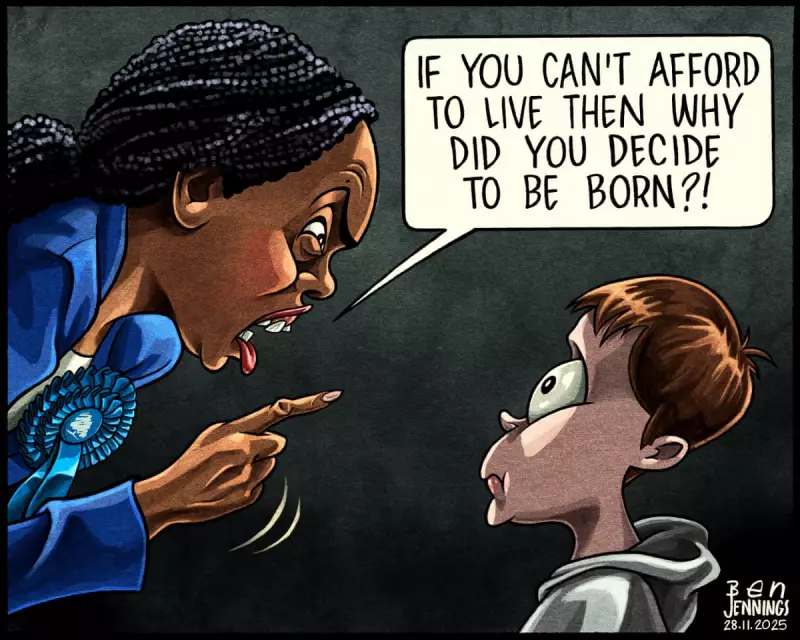
Chancellor Kemi Badenoch has ignited fresh political controversy by staunchly defending the controversial two-child benefit cap, drawing criticism from opposition parties and child poverty campaigners alike.
The Policy Under Fire
The two-child limit, which restricts child tax credit and universal credit to the first two children in a family, has become a focal point in Britain's welfare debate. Introduced in 2017, the policy affects approximately 1.5 million children across the United Kingdom, with campaigners arguing it disproportionately impacts the most vulnerable families.
Badenoch's recent comments have thrown the policy back into the spotlight, with the Chancellor arguing that the cap ensures fairness for taxpayers and encourages parental responsibility. Her defence comes at a time when child poverty rates are rising sharply across many parts of the country.

Growing Opposition and Human Impact
Opposition leaders and anti-poverty organisations have condemned Badenoch's position, citing mounting evidence of the policy's harmful effects. Recent analysis suggests that larger families are being pushed deeper into poverty, with single-parent households particularly affected by the restrictions.
"The two-child policy is creating a generation of children who start life at a significant disadvantage," stated one children's charity representative. "When families cannot afford basic necessities, it's the children who suffer most in terms of nutrition, education, and future opportunities."
Campaigners point to heartbreaking cases where parents must choose between feeding their third child or paying essential bills, creating what many describe as an unacceptable moral dilemma for struggling families.
Political Fallout and Future Battles
The debate has exposed deep divisions within British politics regarding welfare provision. While the government maintains the policy controls spending and promotes fairness, opposition parties have pledged to scrap the cap if they gain power.
Political analysts suggest this issue will become increasingly significant as the next general election approaches. Families affected by the cap are becoming more vocal in their opposition, while backbench MPs in constituencies with high child poverty rates are facing growing pressure to take a stand.
As the controversy continues to unfold, all eyes remain on Westminster where the future of this divisive policy will ultimately be decided. The outcome could determine the living standards of millions of British children for years to come.